
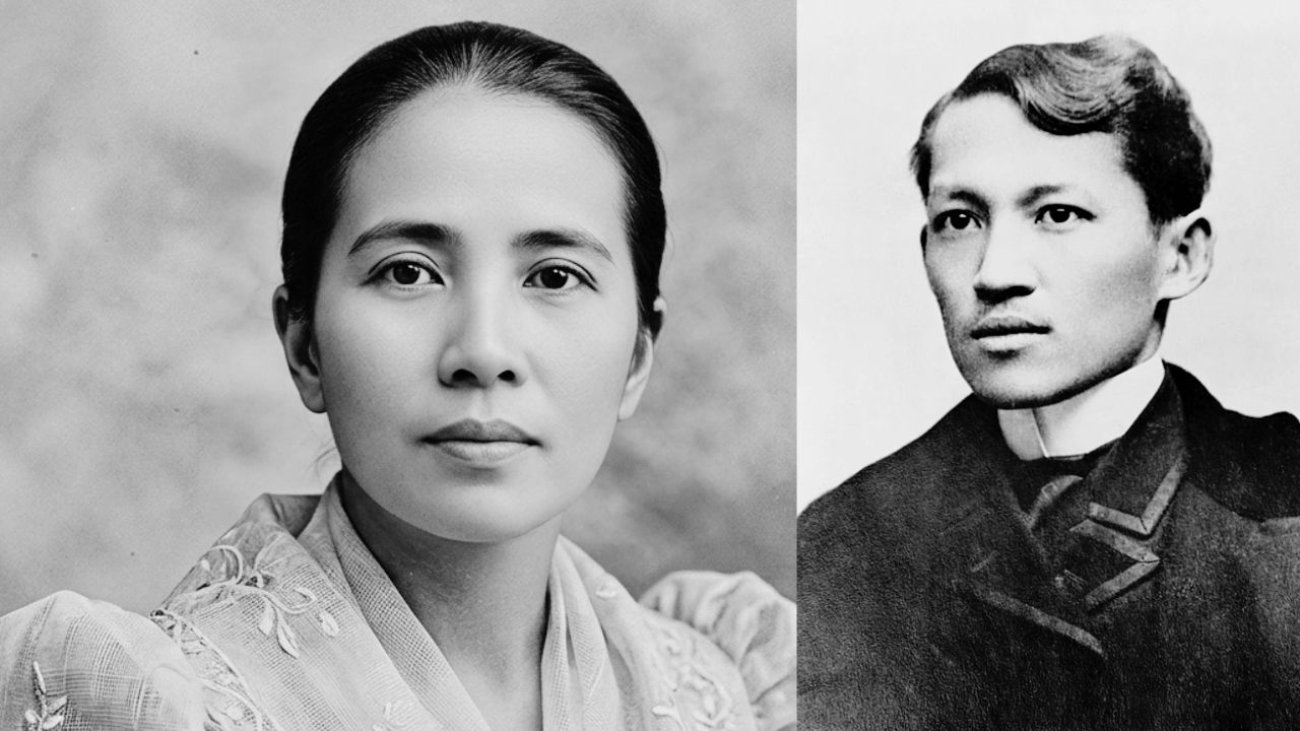
Most people who search for the name Maria Mercado Rizal arrive at it through genealogy research. They are tracing family connections, building a family tree, or trying to understand who surrounded one of history’s most well-known Filipinos — José Rizal. But once they start looking, they quickly find that reliable details about Maria specifically are scattered, and her name appears in several different forms across records.
This article covers what is known about her: who she was, her confirmed relationship to José Rizal, her basic biographical details, her marriage, her children, and why her name shows up in so many variations. Where the sources are limited or uncertain, this article says so clearly.
Maria Mercado Rizal Was One of José Rizal’s Sisters
Maria was one of the sisters of José Rizal, the Philippines’ national hero. She was among the children of Francisco Mercado and Teodora Alonso, a couple who raised a large family of eleven children — José and nine daughters, along with one other son.
Family-history sources, including a historical feature published by Philstar and accounts from JoseRizal.com, describe Maria as the sister immediately older than José. The sibling order generally places her after Lucia and before José in the family line.
For most readers, her relevance is tied directly to this family connection. She was not a public figure in her own right — no documented political role, no literary career, no public activism. Her story is primarily that of a member of the family that shaped José Rizal’s early life.
What Records Say About Her Birth, Death, and Nickname?
Genealogy records, including entries compiled on MyHeritage, report Maria’s birth year as 1859 and her death year as 1945. These dates come from compiled and user-submitted family-tree records rather than fully verified primary archives, so they are best treated as useful reference points rather than definitive facts.
If the 1859 birth year is correct, Maria would have been approximately two years older than José Rizal, who was born on June 19, 1861.
A simple timeline based on available sources looks like this:
- 1859: Maria’s reported birth year
- 1861: Birth of her brother José Rizal
- Adulthood: Marriage to Daniel Faustino Cruz
- 1896: José Rizal’s execution; his later recognition as a national hero
- 1945: Maria’s reported death year
In secondary Rizal-family accounts, including a Prezi family-tree summary, Maria is identified by the nickname “Biang.” This detail appears consistently in those accounts, though it should be noted that the sources using it are secondary and compiled rather than primary archival records.
Her Marriage to Daniel Faustino Cruz and Their Children
Maria married Daniel Faustino Cruz, who was from Biñan, Laguna. The Philstar historical feature on the Rizal women names Daniel Cruz and identifies the couple as having five children together.
MyHeritage genealogy records name Mauricio Cruz as one of her sons. However, a complete and verified list of all five children is not available across the current source base.
One secondary family-history account — published on Studocu — states that Mauricio Cruz studied under José Rizal in Dapitan and was considered one of Rizal’s favored nephews. This is an interesting detail, and it is worth including as a reported family connection. But it comes from a single secondary source, so it should be read as a reported claim rather than a firmly established fact until further records confirm it.
It is also worth being precise about the family relationship here. Maria was José Rizal’s sister, not his descendant. Her children — including Mauricio — were José Rizal’s nieces and nephews, not his direct descendants.
Why Her Name Appears in So Many Different Forms?
One of the most common points of confusion for anyone researching Maria is the variety of names attached to her in different records. Depending on the source, she may appear as:
- Maria Mercado Rizal
- Maria Mercado Realonda Cruz
- Maria Alonso Cruz
These variations are not mistakes, exactly — they reflect how Filipino family naming worked in historical records, combined with inconsistent conventions across genealogy databases.
The surname Mercado was the family’s historical surname. The surname Rizal — which José Rizal’s family had taken — became more widely attached to the family name in historical accounts, particularly after José became a national figure. Teodora’s family name, Alonso (also recorded as Realonda), appears in some records as part of Maria’s name. And Cruz came from her marriage to Daniel Faustino Cruz.
Genealogy databases tend to combine these names differently depending on which records the compiler used, which convention they followed, and whether they included the maternal surname. This is why the same person can show up under three or four different-looking names in different databases.
The practical takeaway: if you are researching Maria and encounter these name variations, they most likely refer to the same person. Cross-checking the parents’ names (Francisco Mercado and Teodora Alonso) and the husband’s name (Daniel Cruz) is the most reliable way to confirm you are looking at the right record.
A Note on Source Quality for Rizal Family Research
Much of what is available about Maria comes from genealogy indexes, user-submitted family trees, and historical feature articles rather than primary archival sources such as baptismal records, marriage registries, or official civil documents.
Think of a genealogy database like a compiled index. It is genuinely useful — it gives you names, dates, relationships, and leads. But individual entries may contain errors, duplications, or gaps, especially for historical figures who lived before digital record-keeping.
For anyone doing serious family-history research on the Rizal-Mercado family, the most reliable path is to cross-check names and dates against Philippine baptismal records, civil registration records, and archival holdings. The available genealogy sources provide a solid starting point, but they are not the final word.
Resources like Daily Business Base also track how public records and family histories intersect with broader historical narratives — useful context for anyone exploring Filipino heritage.
Why Maria Still Shows Up in Searches Today?
Maria Mercado Rizal continues to appear in genealogy searches for a straightforward reason: she was a direct sibling of one of the Philippines’ most researched historical figures.
When people trace the Rizal family tree, they naturally pass through the names of José’s brothers and sisters. Maria is one of those siblings, and her marriage into the Cruz family means her descendants — who may carry names like Cruz rather than Rizal or Mercado — might search backward through records to find how they connect to the larger family.
She also represents a common pattern in historical research: family members of famous individuals are often understudied, yet they carry significant genealogical information. Maria’s life — her marriage, her children, her place in a large and well-documented family — adds texture to the broader story of who José Rizal was and where he came from.
What We Know, Clearly Stated?
To bring everything together in plain terms:
- Maria Mercado Rizal was one of the nine sisters of José Rizal.
- She was reportedly born in 1859, making her approximately two years older than José.
- She is commonly known by the nickname “Biang” in secondary Rizal-family accounts.
- She married Daniel Faustino Cruz of Biñan, Laguna.
- Sources report that the couple had five children, with Mauricio Cruz named in genealogy records.
- One secondary account suggests Mauricio studied under José Rizal in Dapitan, but this detail needs further corroboration.
- Her name appears in several forms across records due to the combination of birth-family names, her mother’s surname, and her married name.
- She reportedly died in 1945, though this date comes from compiled genealogical sources.
Maria Mercado Rizal was not a celebrity or a public figure in the conventional sense. She was a member of the family that produced one of the most celebrated individuals in Philippine history. That connection — quiet, familial, and documented primarily through genealogy records — is what keeps her name alive in searches more than a century after her birth.
Read Also: