
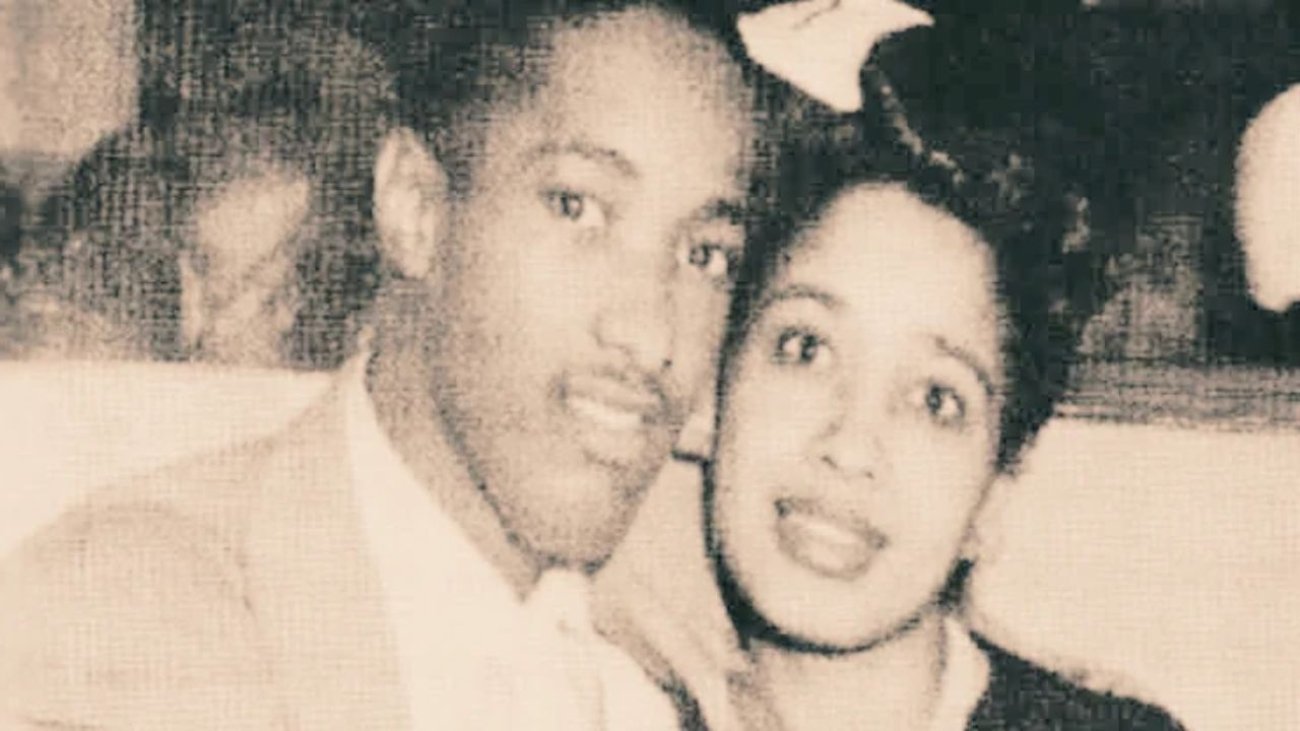
Search for Dolores Mohawk online and you’ll quickly find one name tied to hers — Sam Cooke. She is reported to have been his first wife, married to him in 1953 and divorced by 1958, years before Cooke became one of the most recognized voices in American music.
Beyond that connection, the public record on Dolores is thin. Most of what appears online traces back to a small number of secondary sources rather than archived records or authoritative biographies. This article covers what available accounts say about her identity, her reported background, her marriage to Cooke, and her reported death — along with an honest note about where the evidence runs out.
Who Dolores Mohawk Was — Names, Identity, and the Limits of the Record?
If you’ve searched under different names and landed here, that’s not unusual. Secondary accounts identify her as Dolores Elizabeth Milligan. “Dee Dee Mohawk” appears in some sources as a reported stage or professional name. “Dolores Mohawk” is the most common form used in online searches.
All three names — Dolores Mohawk, Dee Dee Mohawk, and Dolores Milligan — appear to refer to the same person. However, this has not been confirmed through government records or a formally published biography. No marriage certificate, death record, or other official document has been cited in the available sources to lock these names together definitively.
This distinction matters if you’re doing genealogy or biographical research. A name appearing on a secondary website or user-contributed family tree is a useful starting point, but it isn’t the same as a verified civil record. Anyone researching her history more deeply would want to cross-reference California vital records, historical newspaper archives, and established Sam Cooke biographies.
Her Reported Background as a Performer
Available accounts describe Dolores as a singer and dancer who was based in Los Angeles. That framing suggests she was part of the city’s mid-century entertainment scene, though the specific details are sparse.
No contemporaneous entertainment press coverage, credited recordings, or archived club and theater listings have been cited to support this claim in any of the sources currently accessible. So while secondary sources report a performing background, there is no confirmed discography, no documented stage credits, and no independently verified career timeline available at this time.
It’s worth being straightforward about this: Dolores is best understood today as a figure whose historical relevance comes largely through her connection to Sam Cooke. That doesn’t diminish her as a person, but it does explain why so little independent documentation exists in the public sphere.
The Marriage to Sam Cooke — Timeline and Context
Secondary accounts state that Dolores and Sam Cooke married in 1953. The divorce is reported to have been finalized in 1958. These dates come from available online sources, primarily a biographical piece published by AnyDay Business. They have not been independently confirmed through California marriage or divorce records in the sources cited here.
To understand why this marriage matters biographically, some context on Cooke helps. Sam Cooke was born in Clarksdale, Mississippi, in 1931. He grew up in Chicago and became the lead singer of the Soul Stirrers, one of the most respected gospel quartets of the era. By the early 1950s, he was already a respected name in gospel circles.
The years of their marriage — 1953 to 1958 — overlap with one of the most significant transitions in Cooke’s career. He was moving away from gospel music and toward mainstream popular recording. His crossover single “You Send Me” was released in 1957 and became a major hit. By the time the divorce reportedly came through in 1958, Cooke was well on his way to becoming a household name.
The marriage and its breakdown took place largely outside the public record that survives online. Available sources suggest there were personal difficulties, but detailed accounts of the relationship should be treated cautiously unless drawn from a reputable published biography or contemporaneous source. Anyone seeking a fuller picture would want to look at newspaper archives from Los Angeles from that period, or at established Cooke biographies from academic or major publishing houses.
Her Reported Death in 1959
Secondary accounts state that Dolores died in a car accident in Fresno, California, on October 30, 1959. She was reportedly 29 years old at the time.
If accurate, she died roughly one year after the divorce from Cooke and about five years before Cooke’s own death in December 1964. One secondary source also claims that Cooke paid for her funeral, and that his song “Somewhere There’s A Girl” was connected to her memory. These are potentially meaningful details, but they require stronger sourcing before they can be stated as established facts. The song attribution in particular should not be treated as confirmed without musicological or archival evidence.
The death date, location, and age all come from a single secondary source — the AnyDay Business article — and contemporaneous documentation has not been cited to support these claims. To verify this information properly, a researcher would want to check Fresno-area newspapers from late October and early November 1959, California death index records for that year, and cemetery records. These sources were not available in the material used for this article.
This is an important caveat. It doesn’t mean the reported details are wrong. It means they haven’t been independently confirmed in the sources available here, and a careful reader or researcher should know that.
Sam Cooke’s Place in American Music
Because so much of what draws people to search for Dolores Mohawk is her connection to Sam Cooke, it’s worth briefly touching on his significance.
Cooke is widely regarded as one of the most important American singers of the 20th century. He helped shape what would become soul music by blending the emotional directness of gospel with the structure and accessibility of pop. His voice was distinctive — warm, controlled, and expressive without being showy.
Beyond his recordings, Cooke was also a pioneer in Black-owned music business. He co-founded SAR Records, giving him greater control over his work and that of other artists he believed in. His business instincts were considered unusual for a performer of his era.
He died on December 11, 1964, in Los Angeles under circumstances that remain a subject of ongoing historical discussion. His influence on artists who came after him — from Otis Redding to Marvin Gaye to Aretha Franklin and beyond — is well documented and widely acknowledged.
For readers who want to learn more about celebrity biographies and public figures, Daily Business Base covers a range of profiles and stories in an accessible format.
What We Can and Cannot Say About Dolores Mohawk?
To summarize honestly: secondary sources identify Dolores Mohawk as Dolores Elizabeth Milligan, also known as Dee Dee Mohawk. She is reported to have married Sam Cooke in 1953, divorced him in 1958, and died in a car accident in Fresno in October 1959 at age 29. Available accounts describe her as a singer and dancer based in Los Angeles.
What hasn’t been confirmed: her exact birth date and place, the specifics of her performing career, the precise circumstances of her marriage and divorce, and the death details. The main narrative source for these claims is a secondary website rather than an archived record, a certified document, or a peer-reviewed biography.
None of this means her story isn’t worth knowing. It means that the full picture is still incomplete, and anyone researching her life would be doing valuable work by going deeper into the primary sources — California vital records, historical newspapers, and published Cooke biographies among them.
Dolores Mohawk existed on the edges of public history, connected to one of the most famous voices of the 20th century but largely absent from the documented record herself. What survives about her life is fragmentary. That’s often the reality for people who lived close to fame without being directly in its spotlight.
Read Also: