
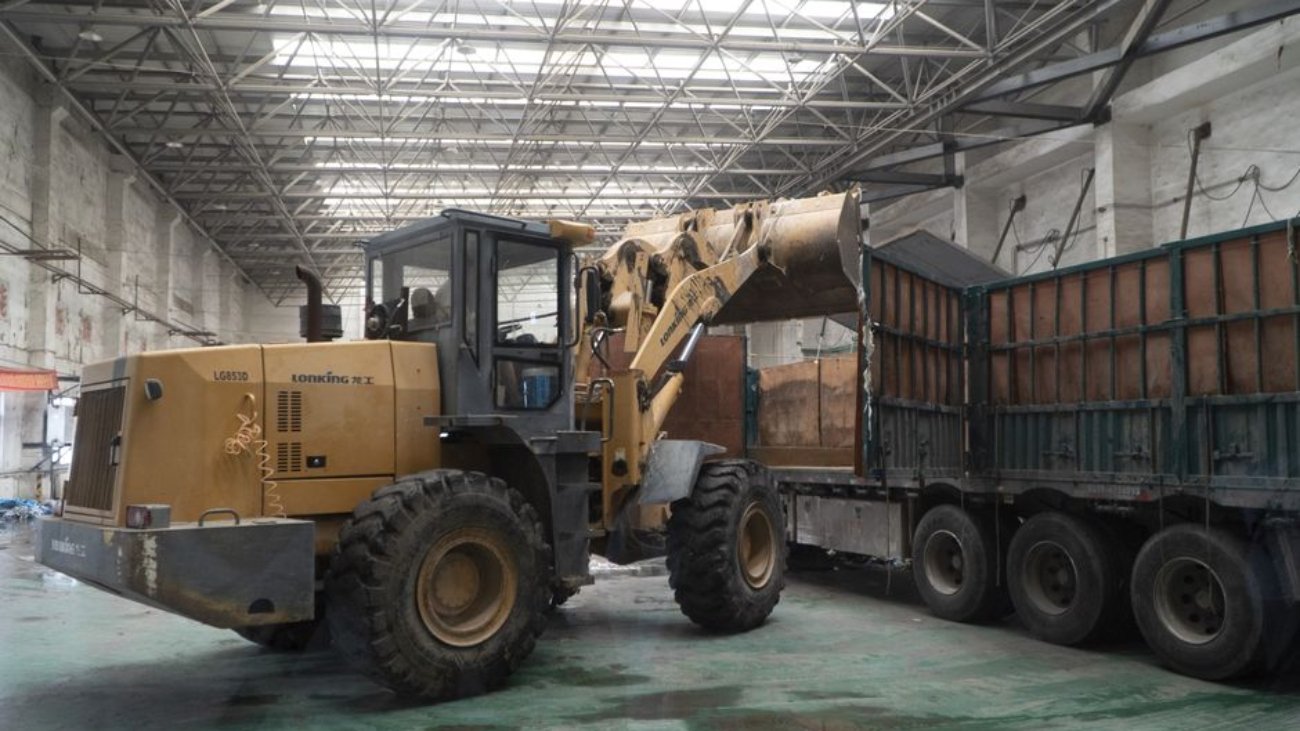
Rumors about a major trucking company closing can spread fast. Mix in a WARN notice, a round of layoff headlines, and a few social media posts, and the story quickly takes on a life of its own. Stevens Transport has been at the center of exactly this kind of speculation.
This article breaks down what actually happened, what the evidence shows about the company’s current status, and what drivers, shippers, and vendors should take away from all of it.
What Stevens Transport Is and Why the Rumors Matter
Stevens Transport is a family-owned trucking company based in Dallas, Texas. It is one of the larger carriers in the United States, with a primary focus on refrigerated freight — commonly called reefer transport. The company also runs driver training programs and maintains a significant national fleet presence.
Because of its size, any closure news involving Stevens — even if it only affects one part of the business — tends to generate widespread concern. Drivers worry about jobs. Shippers worry about service continuity. Vendors and partners start asking questions. That scale is exactly why a division-level closure turned into a company-wide rumor.
The 2019 Tanker Division Closure — What Actually Happened
In late September 2019, Stevens Tanker Division, LLC filed WARN notices with the Texas Workforce Commission. The filing was dated September 26, 2019, and covered nine locations in Texas, plus additional sites in Louisiana and Oklahoma.
The company announced it would cease all operations by October 15, 2019. Approximately 586 to 587 employees were laid off across these locations. The largest single group — 367 workers — was based in Stockdale, Texas. Another 71 employees were at the Dallas office.
The tanker division served oilfield clients. Its work included sand hauling and production water transport — not the refrigerated freight that Stevens Transport is primarily known for. In its notices, the company cited “unforeseen business developments,” specifically a 65% reduction in sand orders during September 2019, along with customers switching to pipeline infrastructure for production water transport.
Those are oilfield industry problems, not core trucking problems. That distinction matters a great deal.
Why This Was a Division Shutdown, Not a Corporate Collapse
Stevens Tanker Division operated as a distinct LLC. Its business was tied directly to hydraulic fracturing activity in the Southwest — a sector that was experiencing its own demand downturn at the time. When fracking slows, sand hauling slows with it. When customers build pipelines, they no longer need trucks to move production water. The tanker division was exposed to both of those forces at once.
The parent company, Stevens Transport, continued its reefer and general trucking operations. Multiple trade sources confirmed at the time that other divisions were not affected by the closure.
A simple analogy helps here: imagine a national retailer closing all its garden centers because demand for gardening products fell sharply. That does not mean the core stores are shutting down. The business as a whole keeps running. The garden center closure is a targeted response to a specific market problem. The tanker division closure worked the same way.
It is also worth understanding what a WARN notice actually is. The Worker Adjustment and Retraining Notification Act requires employers to give advance notice when large layoffs occur. Filing a WARN notice is a legal compliance step — it is not a bankruptcy filing, and it is not a liquidation announcement. WARN notices are sometimes read online as proof that a company is collapsing, but that interpretation is not accurate.
The rumor chain that followed is easy to trace. A driver loses his tanker job and posts: “Stevens is closing.” Other users share that post without the division qualifier. Within days, forums and video thumbnails are asking whether Stevens Transport is going out of business entirely — even though the core company kept operating without interruption.
Stevens Transport’s Status Through the Mid-2020s
The most direct answer to the question is this: as of 2024 and 2025, Stevens Transport remains an active carrier. Multiple independent business and industry sources confirm this.
The company continues to appear in freight matching systems, carrier rankings, and trade publications. There are no public records — no Chapter 11 petition, no Chapter 7 filing, no liquidation list — documenting any company-wide financial failure. The core reefer and transport operations are described as ongoing, with customer contracts reported as steady.
Some sources note that Stevens operates in a somewhat reduced capacity compared to its pre-2019 footprint. That is worth acknowledging. But reduced capacity and closure are not the same thing. A company can downsize a division, adjust its fleet, or shift its operational focus without being on the verge of shutting down.
Trade publications and industry fleet rankings through the mid-2020s continue to list Stevens as a functioning carrier in the refrigerated freight space. There is no credible reporting of ghost yards, abandoned equipment, or company-wide operational failure.
What This Means for Drivers, Shippers, and Vendors
For Drivers
If you are considering a driving job with Stevens, the 2019 tanker division closure is not a reason to walk away from the opportunity. That division served a specific oilfield market that experienced a sharp downturn. The reefer and general freight operations are a different business with different customers.
That said, verify current openings through official channels. Any major employer can have hiring pauses, route changes, or fleet adjustments. Do your due diligence, but do not let a five-year-old division closure be the deciding factor.
For Shippers
If you are a food manufacturer, grocery chain, or other refrigerated freight customer evaluating Stevens as a carrier partner, the available evidence does not support the conclusion that the company is an unreliable or high-risk choice based on the 2019 events.
The tanker division served oilfield clients, not food supply chains. Those are entirely separate operations. Before making a carrier decision based on rumors, check current freight marketplace listings, industry rankings, and recent trade coverage. The picture that emerges is of a company still operating its core business.
For Vendors and Business Partners
If you are a vendor or business partner trying to assess exposure, the right approach is to go directly to public records. Check for bankruptcy court filings through PACER (the federal court records system). Look at the Texas Secretary of State’s business registry. Review current trade press. That process takes less time than most people expect, and it gives you a factual foundation rather than a rumor-based one.
For a broader framework on evaluating business rumors in the trucking sector and beyond, Daily Business Base covers these topics with practical, evidence-based analysis.
How to Fact-Check “Going Out of Business” Rumors
The Stevens Transport situation is a useful case study in how one division closure can generate a false narrative about an entire company. Here is a straightforward process for evaluating similar rumors:
- Check bankruptcy court records. Federal court filings are public. If a company has filed for Chapter 11 or Chapter 7, there will be a documented record.
- Read WARN notices carefully. They identify which entity filed and which locations are affected. A division-level filing is not the same as a corporate filing.
- Look at trade press, not just social media. Industry publications like Commercial Carrier Journal and Transport Topics cover significant trucking developments. If a major carrier were truly shutting down, it would be reported there.
- Check freight matching systems. Active carriers appear in load boards and logistics platforms. A company that has gone dark will not show up in those systems.
- Look at state business registries. Active businesses maintain registered status. Dissolved companies show up as inactive.
None of those steps require insider knowledge. They just require a few minutes of careful research rather than a quick scroll through a trucking forum.
A Balanced View on Risk
Trucking is not an easy industry. Fuel price swings, driver shortages, freight market cycles, and margin pressure are real and persistent challenges. No carrier — regardless of size — is immune to those forces.
But acknowledging industry risk is different from concluding that a specific company is failing. The current evidence does not support the claim that Stevens Transport is going out of business. What the record actually shows is a company that closed one division in response to a specific market downturn in 2019, while its core operations continued and remain active today.
If that changes — if bankruptcy filings appear, if trade sources begin reporting operational failure — that will be documented in credible, verifiable places. Until then, the rumors outpace the facts by a significant margin.
The Bottom Line
Stevens Transport is not going out of business. The 2019 closure involved one oilfield-focused division operating as a separate LLC, driven by a sharp decline in fracking-related demand. The parent company’s refrigerated freight and core transport operations were not affected and remain active as of the most recent available reporting.
The lesson here applies beyond Stevens. Division closures are not corporate collapses. WARN notices are compliance documents, not bankruptcy filings. And online posts that drop a key qualifier — “tanker division” — can turn a narrow business decision into a sprawling, inaccurate rumor. Knowing how to read the original source material makes all the difference.