
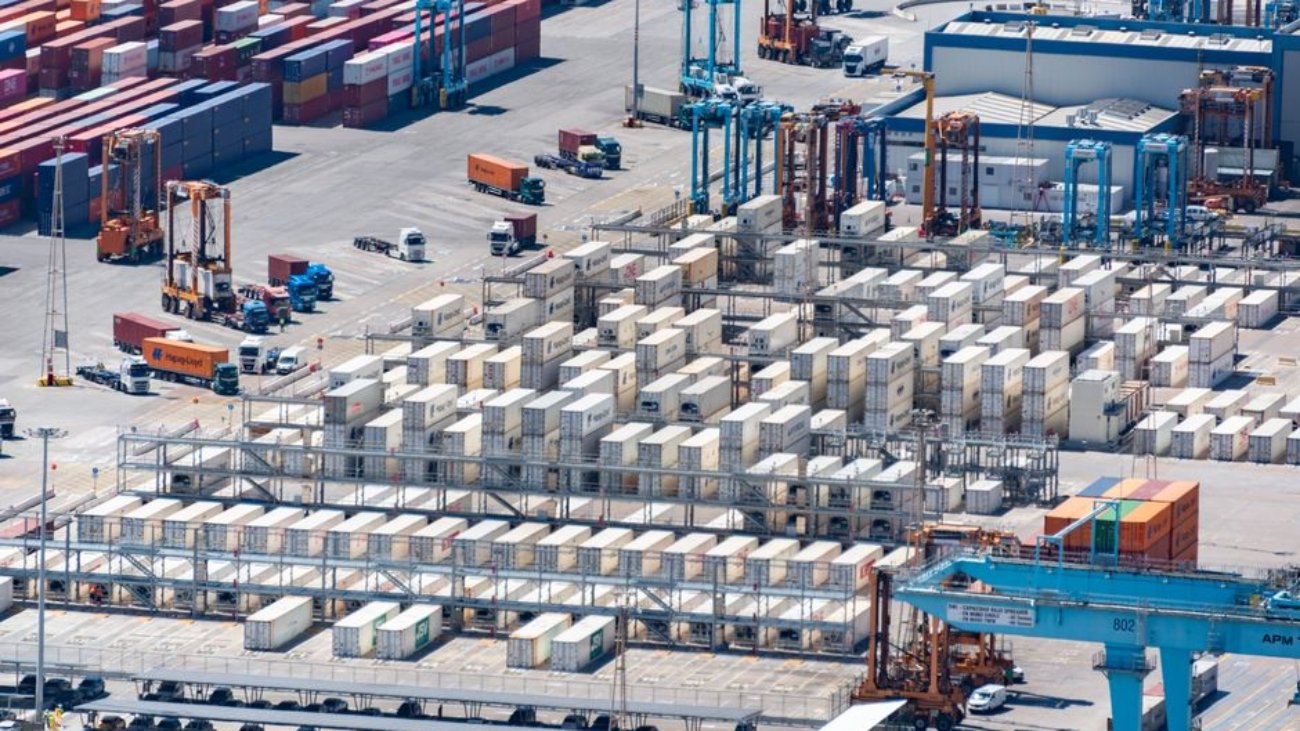
Freight rates on some China–US routes more than doubled in a single month in mid-2026. At the same time, the global container fleet hit record capacity. Those two facts seem to contradict each other — and that contradiction is exactly what this article explains.
If you import or export goods, work in procurement, or manage a supply chain, you need to understand what “shortage” actually means in container shipping. Because the word gets used loosely, and acting on a misunderstanding of it can cost your business real money.
This article covers what the shortage actually is, why it keeps happening, which businesses are most exposed, and what practical steps you can take right now.
Why “Shortage” Doesn’t Mean the World Has Run Out of Containers
The most common misconception is that a shortage means there simply aren’t enough physical containers on earth. That’s not what’s happening. The global container fleet reached roughly 34.2 million TEU across 7,545 vessels as of mid-2026 — a 5.7% increase year-on-year. There is no global deficit of steel boxes.
There are actually two separate problems that get lumped together under “shortage.”
The first is an equipment shortage — containers aren’t in the right place. The boxes exist, but they’re sitting empty in the wrong port or the wrong country. The second is a space shortage — there are no available slots on the vessels you need, even if containers are available.
Think of it like rental cars in a tourist city. The city might have thousands of cars total, but if most of them are stuck in one neighborhood, the other side of town has none. The problem isn’t the total number of cars. It’s where they are.
Shortages in container shipping work the same way. They’re regional and temporary, not a permanent global crisis. But for the businesses caught on the wrong end of a specific trade lane at the wrong time, the impact is very real.
The Real Causes Behind the Tightness
Several specific factors are driving the current squeeze. Understanding them helps you predict where the next pinch point will be — and plan around it.
Container Repositioning Lag
When containers arrive full at a destination port, they need to be returned empty to the origin port so they can be loaded again. This process takes time, and when demand spikes, the return cycle can’t keep up. Major Chinese ports face chronic shortages of empty equipment because containers are slow to come back from the US and Europe.
Trade Imbalances
Some routes carry far more cargo in one direction than the other. That means containers pile up at the receiving end and disappear at the shipping end. This structural imbalance is one reason Asia consistently faces tighter equipment availability than other regions.
The Red Sea Crisis
Vessels that would normally transit through the Suez Canal are now rerouting around the Cape of Good Hope. That adds 10 to 14 days to each voyage. Longer trips mean fewer round-trip cycles per ship per year, which effectively shrinks usable capacity even though the physical fleet hasn’t changed. Asia–Europe routes absorbed 36% of newly added fleet capacity in part because of these diversions.
Port Congestion and Canal Delays
Congestion at major ports and delays at the Panama and Suez canals extend the time ships and containers spend waiting rather than moving. Every day a container sits idle is a day it can’t be loaded with someone else’s cargo.
Carrier Capacity Management
Shipping carriers don’t just react to demand — they actively manage it. Blank sailings (canceling scheduled voyages) and service reductions tighten available space even when the fleet is large. This is a deliberate business decision, and it directly affects how much space is actually available to shippers.
Which Trade Lanes and Businesses Are Most Exposed Right Now
Not every route is equally affected. Knowing where the pressure is concentrated helps you assess your own risk.
China–US routes are under the most acute stress in mid-2026. Rates from Ningbo to the US West Coast jumped from roughly $2,900 to $6,300 per 40-foot container. East Coast rates moved from around $3,900 to $7,500 — both within about a month. This isn’t just a price problem. Space itself is the binding constraint on these routes.
Asia–Europe routes are dealing with persistent shortages of both 20ft and 40ft containers at major Chinese ports. The Red Sea diversions compound this by stretching voyage times and tying up equipment for longer.
African trades have seen a 25.3% increase in deployed capacity over the past year, as carriers redirect vessels. That growth has pulled some capacity away from other lanes.
In terms of business type, mid-size importers sourcing from China face the sharpest exposure. If you’re booking one to two weeks before sailing, you’re booking too late. Cargo gets rolled — moved to a later vessel — and if that happens around a retail window or a seasonal deadline, you don’t just pay more. You miss the sale entirely.
Exporters on long-term contracts face a different but equally serious problem. When spot rates surge well above contracted rates, carriers have a financial incentive to quietly tighten space allocations for lower-priced contract cargo. Your contract may not protect you as much as you think during a rate spike.
The Business Impact Beyond Higher Freight Bills
The freight rate increase is the visible part of the problem. But the downstream effects often cost more than the extra cost per container.
Surcharges stack up fast. General Rate Increases (GRIs), Peak Season Surcharges, blank sailing fees, and security surcharges all land on top of the base rate. They’re hard to predict mid-contract and even harder to pass on to customers who locked in pricing weeks or months ago.
Transit times get longer and less predictable. A shipment that normally takes 16 days now might take 28. But the bigger issue is the uncertainty — you can’t plan inventory replenishment around a window that shifts by a week or more with little notice.
Production schedules break down. If your factory or warehouse relies on incoming materials arriving on a certain date, a delayed container doesn’t just cause a logistics problem. It causes a production problem, which causes a customer fulfillment problem.
Cash flow takes a hit from both sides. You’re paying more in freight while holding more safety stock to compensate for unreliable lead times. That capital is tied up rather than working elsewhere in the business.
And here’s the critical point that many businesses miss: paying more doesn’t always guarantee you get a slot. Availability itself is constrained on the busiest routes. Money alone won’t solve a space problem when there genuinely are no slots to buy.
What Your Business Can Actually Do About It
Book Earlier Than You Think You Need To
On China–US and Asia–Europe routes during tight periods, booking one to two weeks out is too late. Industry guidance now points to six to eight weeks as a reasonable planning horizon. Confirm container availability before you book, especially if your cargo originates from an inland rail location where equipment positioning is even less predictable.
Don’t Rely on a Single Route or Carrier
Identify your backup routes before you need them. If your primary port is congested or your preferred carrier has blank sailings, you need an alternative ready — not something you’re scrambling to find at the last minute. Talk to your freight forwarder about alternative gateways and what conditions would trigger using them.
Consider Sea-Air and Multimodal Options
For time-sensitive cargo, sea-air combinations (ocean freight partway, air freight for the final leg) can cut transit time significantly. It costs more, but it’s often cheaper than an emergency airfreight booking at full rates — or cheaper than a lost sale.
Audit Your Contracts Now
If you have long-term contracts with carriers, review them before rates spike further. Look at whether your volume commitments are realistic, and consider negotiating flexible volume bands or index-linked rate clauses. These give you protection when spot and contract rates diverge sharply, and they reduce the risk that carriers quietly deprioritize your cargo.
Build Lead Time Buffers Into Your Planning
If your current planning assumes the transit time shown on a shipping schedule, you’re planning for the best case. Build a buffer of at least five to seven additional days into your inventory and production timelines. It’s a simple change that absorbs a lot of the disruption before it becomes a crisis.
Use Better Data and Digital Visibility Tools
Several platforms now offer real-time container availability and vessel tracking. This isn’t just a nice-to-have — knowing where your equipment is and when your vessel actually departs lets you make faster decisions when something goes wrong. For businesses managing multiple shipments, accurate data reduces the number of surprises that turn into expensive fixes.
For more practical business guidance on navigating supply chain and logistics challenges, Daily Business Base covers topics like this regularly.
What to Expect Going Forward
The global container fleet is in structural oversupply — there are more ships and boxes in total than demand requires. That’s a long-term fact that should, over time, put downward pressure on rates.
But structural oversupply doesn’t prevent regional shortages. As long as the Red Sea situation continues, as long as trade imbalances exist, and as long as carriers actively manage capacity through blank sailings, shippers on specific routes will face periods of tight space and high rates. These disruptions are unlikely to disappear cleanly by a fixed date.
Also Read: