
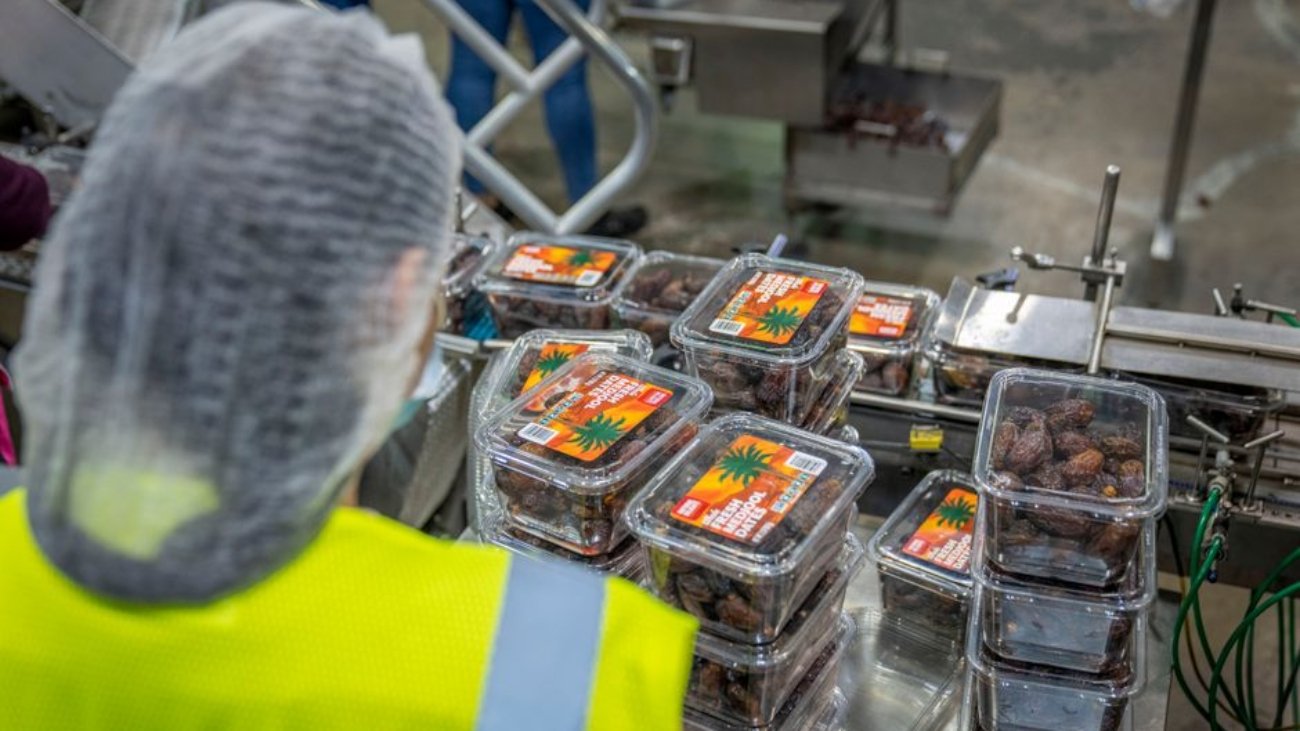
Walk into an Edeka or Rewe in Germany right now, and the tofu section may stop you cold. Shelves that normally carry a full range of tofu products — plain blocks, smoked varieties, marinated cubes — are sitting empty or replaced with “temporarily unavailable” labels. At least one major manufacturer has said that normal availability may not return until early 2027.
That is a long time for a staple product to be missing from grocery shelves. This article breaks down why the shortage is happening, what it reveals about supply chain risk in the plant-based sector, and what manufacturers, retailers, and investors should be watching closely.
Where the Tofu Shortage Is Happening and What It Looks Like
The shortage is concentrated in Germany and parts of central Europe. This is not a worldwide collapse in tofu supply. It is a regional manufacturing problem, and that distinction matters when thinking about how to respond to it.
In German supermarkets, multiple tofu SKUs are missing at once — not just one variety, but natural, smoked, marinated, and flavored options across the same shelf. Delivery volumes from some manufacturers have been reduced over several weeks, and retailers have had limited room to compensate.
Because tofu is a primary protein source for vegetarian and vegan consumers, gaps like this get noticed fast. These shoppers are not grabbing tofu on impulse — it is a planned purchase and often a dietary cornerstone. When it is gone, they report it, and the coverage spreads quickly.
The Real Causes Behind the Shortage
The shortage is not driven by a global soy shortage or an agricultural failure. Current evidence points to two specific problems inside manufacturing facilities: technical malfunctions and a deficit of skilled workers.
The technical failures are particularly damaging because of how tofu production works. Natural tofu — the plain, base product — is the input for nearly everything else a manufacturer produces. Smoked tofu, marinated cubes, and ready-to-cook products all start with natural tofu. When production of that base product breaks down, the disruption does not stay contained. It cascades across an entire product portfolio at once.
The labor problem compounds the damage. With fewer qualified workers on the production floor, facilities cannot operate at full capacity or recover quickly. And because demand has not dropped — if anything, it has risen steadily as more German consumers move toward vegetarian, vegan, and flexitarian diets — there is no demand-side relief while supply contracts. The gap between what consumers want and what manufacturers can deliver keeps widening.
Why One Plant Failure Can Empty Every Tofu Shelf
This situation is a textbook example of what happens when supply chains are too concentrated. Many supermarket private-label and branded tofu products are sourced from a small number of large producers. When one major manufacturer runs into serious trouble, retail coverage across multiple store brands drops at the same time.
One major tofu producer publicly acknowledged a “significant decrease in availability” and outlined a gradual reintroduction plan — with full availability not expected until early 2027. That is an unusually long recovery window for a food staple. It signals that the damage goes beyond a minor equipment fix and involves deeper operational rebuilding.
Retailers face limited options in this situation. Sourcing from smaller or foreign suppliers is possible, but it adds cost and logistics complexity that takes time to arrange. Placing alternative products in the space — other plant proteins, frozen meat substitutes — may fill a shelf, but it does not satisfy the same consumer need or restore category confidence.
The underlying business risk here is worth naming clearly: plants running at high utilization without backup capacity are efficient under normal conditions, but they are structurally fragile. A single bottleneck in a vertically integrated process can bring down an entire product line. The tofu situation illustrates that principle in concrete terms.
Tofu Is Not Alone — A Pattern Across the Grocery Market
Food-category shortages are not rare, and comparing them helps clarify what type of problem is actually at hand.
The cottage cheese shortage of 2025 is a useful parallel. Producers could not scale output fast enough to meet a sudden surge in demand. The core problem — production capacity lagging behind consumption — is structurally similar to what the tofu market is experiencing now, even if the specific trigger is different.
Garlic and olive oil tell a different story. Those shortages are driven by climate conditions and agricultural disruptions in China, southern Europe, and California. Supply-side shocks rooted in growing seasons and weather events have a different character than manufacturing and labor failures inside a plant. Both end up as empty shelves and higher prices, but the response strategies are different.
The broader pattern is clear: food categories that appear stable can become scarce quickly when demand, labor, equipment, or weather shift in the wrong direction at the same time. No single factor is usually responsible on its own. It tends to be a combination of pressures arriving together.
Business Implications for the Plant-Based Sector
For manufacturers, retailers, and investors with exposure to the plant-based market, this shortage raises several practical questions worth addressing directly.
For Manufacturers
The tofu shortage is a signal that capacity planning in the plant-based sector has not kept pace with demand growth. Companies that have grown quickly on the back of rising consumer interest in plant-based diets now face the operational challenge of building resilient production infrastructure — not just expanding volume. That means investing in redundant production capacity, diversifying supplier relationships, and addressing structural labor shortages in food manufacturing.
For Retailers
Supermarkets carrying a concentrated range of tofu products from a small number of suppliers are exposed when those suppliers face disruption. Diversifying sourcing — even if it comes with added cost — is a risk management decision, not just a procurement preference. Retailers may also consider developing contingency plans for category-level gaps, including pre-agreed alternative products and clear customer communication protocols.
For Investors
The tofu shortage highlights a genuine tension in the plant-based sector. Consumer demand for these products is real and growing. But the supply chain infrastructure supporting that demand is still maturing. Companies that can demonstrate manufacturing resilience, multi-supplier sourcing, and operational depth are better positioned than those relying on single facilities and tight margins. The shortage may also create a legitimate opening for smaller regional tofu producers or new market entrants — provided they can secure raw materials, meet food safety standards, and build retailer relationships quickly enough to capture the demand gap.
How Restaurants and Food Service Are Adapting
The impact of the shortage extends beyond retail shelves. Vegan and vegetarian restaurants, caterers, and meal kit companies that depend on consistent tofu supply are managing real operational pressure.
Short-term responses include reformulating dishes around alternative proteins — chickpeas, seitan, tempeh, or legume-based options — and adjusting menus with transparency about substitutions. Some food service operators are testing relationships with regional tofu producers or evaluating imported product, accepting the higher cost as a temporary trade-off for continuity.
These adaptations are not costless. Reformulating dishes involves labor, testing, and sometimes customer pushback. Importing product adds procurement complexity. But businesses that move early to build alternative supplier relationships may exit the shortage period in a stronger position than those that waited for normal supply to resume.
What Comes Next
Based on current reporting, the most likely scenario is a gradual improvement through 2026 and into early 2027 as manufacturing capacity is repaired and staffed. Full normalization depends on several factors: equipment restoration, successful hiring and training, stabilized supply contracts, and the ability to rebuild output without triggering further disruptions.
What is unlikely to change is the underlying demand environment. German and European consumers are not retreating from plant-based diets. The structural growth in tofu demand that contributed to this bottleneck will continue putting pressure on supply chains. That means the businesses best positioned for the medium term are those treating this shortage not as a temporary inconvenience but as a signal to invest in more robust production and sourcing infrastructure.
For ongoing coverage of supply chain issues and business strategy in the food sector, Daily Business Base tracks the developments that matter to operators, retailers, and investors.
Key Takeaways
- The tofu shortage is a regional manufacturing problem centered in Germany, not a global agricultural failure.
- Technical malfunctions at production facilities and a deficit of skilled workers are the primary causes — not a soy supply shortage.
- Because natural tofu is the base for multiple product lines, one plant failure disables an entire portfolio.
- At least one major manufacturer does not expect full availability to return until early 2027.
- Concentrated sourcing among a small number of large producers amplifies the retail impact of any single disruption.
- The shortage creates real but conditional opportunities for smaller producers and alternative protein categories.
- Long-term demand for tofu and plant-based protein in Europe is not softening — which makes supply chain resilience a strategic priority, not just an operational concern.