
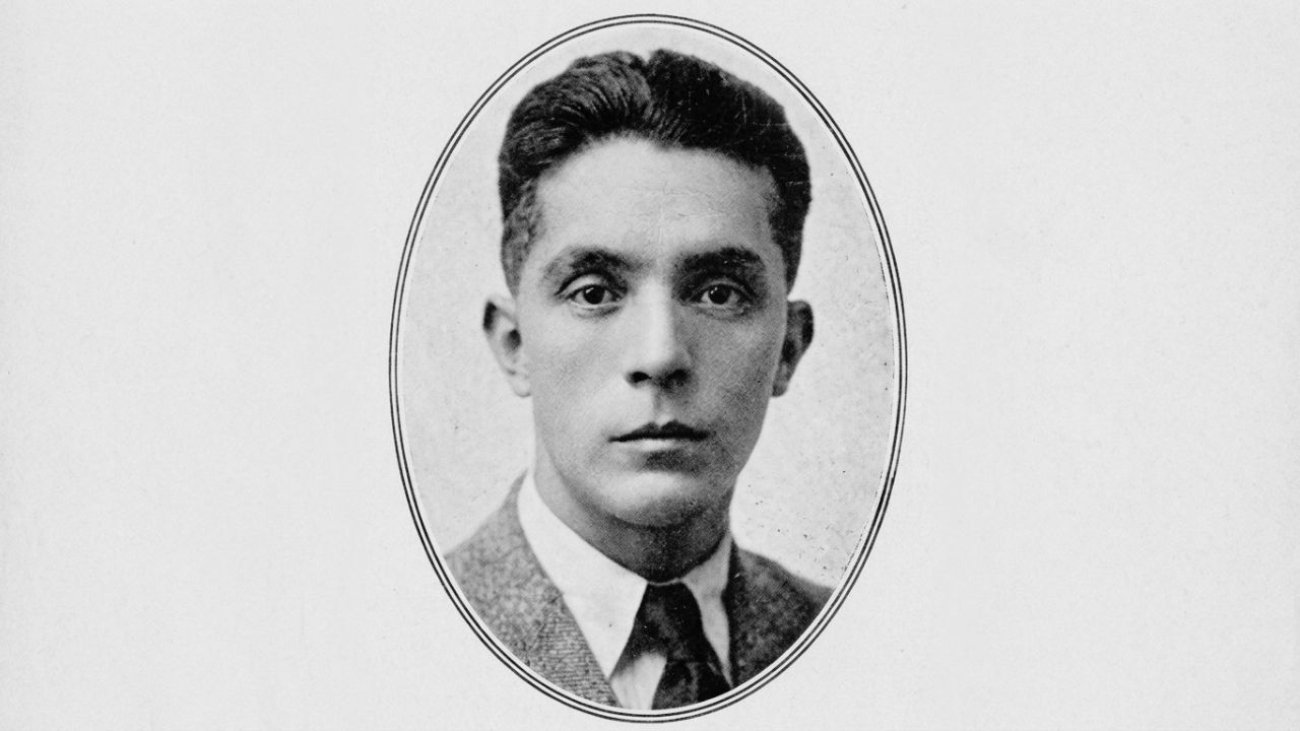
Most people who search for Alfonso Ponce Enrile are not looking for him specifically. They are trying to understand a surname that became one of the most recognizable in Philippine political history — and the complicated family story attached to it.
Alfonso was not a nationally famous figure. But without him, the name Juan Ponce Enrile would not exist. This article covers who Alfonso was, where the Ponce Enrile surname came from, his relationship with Juan’s mother, and how Juan eventually found his biological father and took on the family name.
Who Alfonso Ponce Enrile Was?
Alfonso Ponce Enrile was a Filipino lawyer and provincial politician. Genealogy records place his birth in January 1888 in Baliuag, Bulacan, though sources differ slightly on whether the exact date was January 6 or January 7. He died in July 1967 in Quezon City.
He is consistently described in both genealogy records and biographical sources as having practiced law and held political office connected to Cagayan. Published accounts identify him as a former congressman or representative in the Philippine Legislature. He was not a nationally prominent politician, but he carried real standing in regional legal and political circles.
Today, Alfonso is primarily significant because of his son. Juan Ponce Enrile went on to become one of the most powerful political figures in modern Philippine history. Without that connection, Alfonso would likely remain a minor name in provincial records and old family trees.
The Family Name and Where It Came From
The surname “Ponce Enrile” can look unusual to people unfamiliar with Filipino naming customs. It is not a political title or an invented brand. It is simply a combination of two family lines.
Genealogy records identify Alfonso’s father as Dámaso Sison Ponce and his mother as Teresa Enrile. The surname “Ponce Enrile” joins the paternal Ponce line with the maternal Enrile line. This kind of compound surname was a common convention in the Philippines, particularly among families of some social standing.
Alfonso carried this name through his legal and political career. It was only later, through Juan’s rise to national prominence, that “Ponce Enrile” became a name widely recognized across the country.
Alfonso’s Relationship With Juan Ponce Enrile’s Mother
Juan Ponce Enrile was born in 1924 in Gonzaga, Cagayan. His birth name was Juanito Furagganan, taken from his mother, Petra Furagganan.
Alfonso and Petra were not married to each other. Biographical accounts drawn from Juan’s own memoir and published profiles describe Alfonso as already married at the time of Juan’s birth. Juan was born outside of Alfonso’s marriage — a fact that shaped much of his early life.
Juan grew up using his mother’s surname. He had no meaningful contact with Alfonso during his childhood. Vera Files and other historical accounts describe his early years as difficult, marked by the absence of his biological father and the social weight that came with his circumstances.
This section of the story is presented here factually, the same way serious biographical sources have handled it. The relationship between Alfonso and Petra is part of the public record, documented in Juan’s memoir and covered in reputable Philippine publications. There is no need to read more into it than what the sources confirm.
How Juan Found Alfonso and Took the Ponce Enrile Name?
The turning point in Juan’s life came after World War II. Having grown up as Juanito Furagganan in Cagayan, he made a decision that would change his identity permanently: he traveled to Manila to find his biological father.
According to accounts in Philstar, Spot.ph, and summaries of Juan’s own memoir, he eventually made contact with Alfonso. Alfonso acknowledged him as his son. Juan was introduced to his half-siblings — children from Alfonso’s marriage — and was brought into the family in a recognized way.
The name change from Juanito Furagganan to Juan Ponce Enrile was not simply informal. Published accounts describe it as a legally recognized transition connected to Alfonso’s acknowledgment of paternity. This was a significant moment, both personally and practically. Taking the Ponce Enrile name gave Juan access to a family with education, legal standing, and political connections.
Readers who come across different names in historical documents or old news articles should know that Juanito Furagganan, Juanito Ponce, and Juan Ponce Enrile all refer to the same person — just at different stages of his life and identity.
Alfonso as a Bridge Between Two Worlds
Alfonso’s significance in this story is partly about access. He was a lawyer. He had sat in the Philippine Legislature. He moved in circles where education and professional credentials mattered. When Juan was acknowledged and took the Ponce Enrile name, he stepped into that world.
Juan went on to earn a law degree, which Alfonso reportedly helped make possible. That education became the foundation for everything that followed — a career that eventually included serving as justice secretary, defense minister, senator, and Senate president of the Philippines.
Alfonso did not design Juan’s career. The biographical record supports a biological connection and a later family relationship, not a controlling hand over Juan’s choices. But he opened a door that Juan then walked through on his own terms.
Why Alfonso’s Story Still Matters?
Alfonso Ponce Enrile died in July 1967 in Quezon City. By that point, his son was already well into a legal and political career that would eventually place him at the center of some of the most consequential moments in Philippine history — including the 1986 People Power Revolution.
Juan Ponce Enrile passed away on November 13, 2025, at the age of 101. His death prompted renewed coverage of his remarkable and complicated life, which in turn brought attention back to its origins — including the father whose name he carried.
For anyone researching Philippine political history or trying to untangle a genealogy record, Alfonso’s story provides important context. He explains where the name came from. He explains why Juan did not use it as a child. And he represents the moment when a young man from Cagayan, born without his father’s name, decided to go find the man who gave him his identity.
Stories like this one — quiet, personal, and historically significant — are exactly the kind that sites like Daily Business Base aim to cover with care and accuracy, giving readers the background they need without the noise.
What the Records Can and Cannot Tell Us?
It is worth being honest about the limits of what is publicly confirmed about Alfonso himself. Most of what we know comes from two types of sources: genealogy databases like Geni and FamilySearch, and biographical accounts focused primarily on Juan.
Genealogy records can be useful starting points, but they are often user-contributed and may contain inconsistencies. Exact birth dates, complete lists of children, and full details of Alfonso’s marriages and partnerships should be treated with some caution unless they are confirmed by established news sources or official records.
What is well-supported across multiple credible sources: Alfonso was a lawyer and politician from Bulacan who worked in Cagayan, he was Juan’s biological father, he was already married when Juan was born, and he later acknowledged Juan after the war. Those are the confirmed anchor points of his public story.
A Final Note on the Ponce Enrile Name
The surname “Ponce Enrile” is now most strongly associated with Juan and his son, Juan Ponce Enrile Jr., who also entered politics. For most Filipinos, it is a name tied to decades of political history, from martial law to People Power to the Senate.
But it started with Alfonso — a provincial lawyer from Bulacan whose own family names were stitched together from two lineages. He was not a household name. He was not a national figure. He was, however, the person whose acknowledgment of a son born outside his marriage set in motion one of the more remarkable personal histories in modern Philippine public life.
That is what makes Alfonso Ponce Enrile worth knowing about, even briefly.
Read Also: