
Hot sauce fans have noticed it. Restaurant buyers have noticed it too. Certain products are harder to find, prices are up, and supply is inconsistent from week to week. The common thread running through a lot of these complaints is jalapeños — specifically red jalapeños.
This article breaks down why the shortage is happening, which businesses are feeling it most, how long it might last, and what practical options exist for food operators dealing with tighter supply.
This Isn’t One Simple Shortage — Here’s What’s Actually Happening
Before diving in, it helps to set accurate expectations. This is not a situation where all jalapeños have vanished from every shelf in every store. The reality is more specific than that.
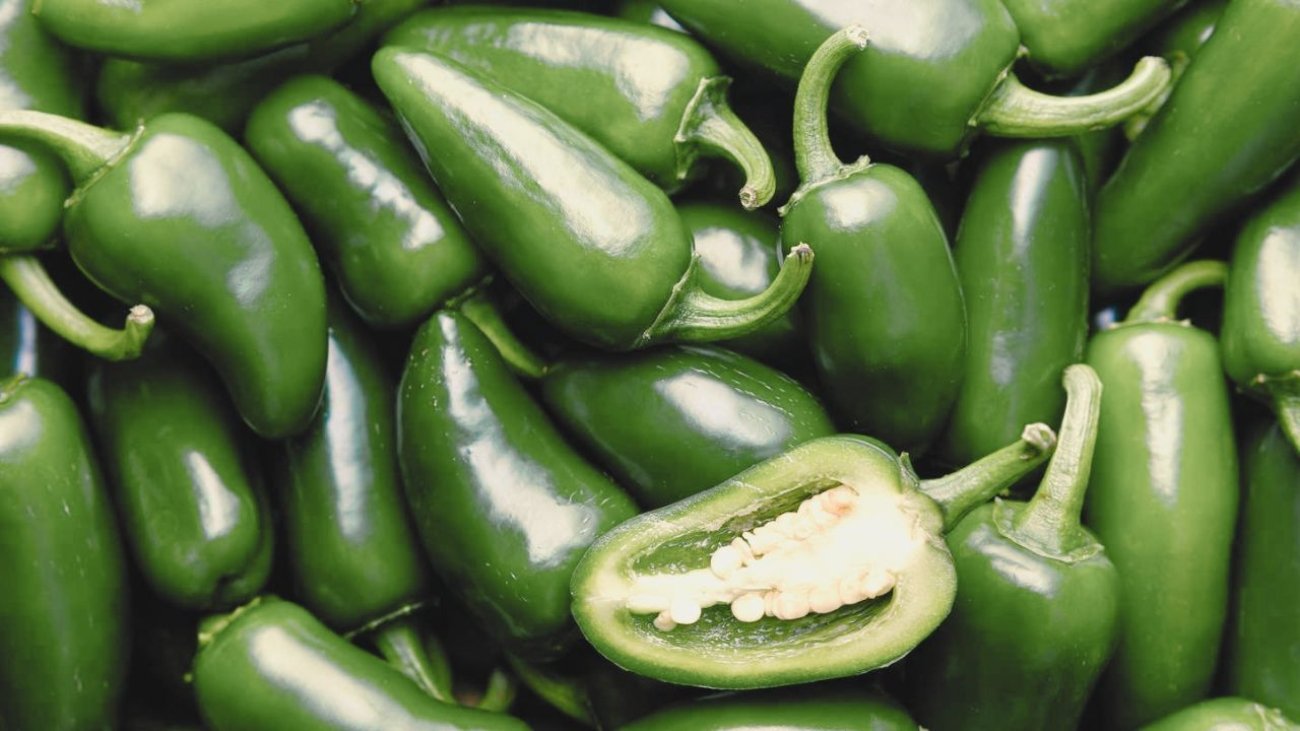
Fresh green jalapeños may still be sitting in your grocery store’s produce section right now. The real disruption is concentrated in red jalapeños, which are a distinct crop used primarily in hot sauces and specialty products. The supply gap is most visible in finished goods, not always in fresh produce.
Availability also varies by region, buyer type, and product category. A small restaurant in one city might have no trouble sourcing fresh jalapeños, while a hot sauce manufacturer across the country is rationing inventory. Framing this as a targeted produce supply disruption is more accurate than calling it a blanket nationwide shortage.
Why Red Jalapeños Are the Problem
Red jalapeños are not a different pepper variety. They are green jalapeños that have been left on the plant longer to fully ripen. That extra time on the vine changes everything — they become sweeter, slightly hotter, and develop a deeper flavor profile that is distinct from their green counterpart.
Because they need more time, specific climate conditions, and careful harvest timing, red jalapeños are harder to grow at scale. They are also the primary ingredient in Sriracha-style sauces, including the well-known Huy Fong product that became a staple in kitchens and restaurants across the country.
When red jalapeño crops fail, the damage does not stop at the farm. It cuts supply for sauce manufacturers who depend on large, consistent volumes of that specific pepper. Think of it like a single missing component on a production line. One missing part does not just slow things down — it can stop the whole operation. A crop failure at the farm level can halt an entire finished product line before a single bottle reaches a store shelf.
What’s Causing the Crop Failures
There is no single confirmed cause that applies neatly to every market. What the current reporting points to is a combination of overlapping pressures rather than one clear villain.
A significant factor is multi-year drought in Mexico, which has stressed growing regions that supply a large share of U.S. jalapeño volume. When water is scarce over multiple seasons, crop yields drop and quality becomes inconsistent. That kind of pressure compounds over time and does not reverse quickly.
On top of drought, there have been unexpected agricultural cycle disruptions and crop failures that have added strain. Other factors — pests, disease, and rising demand — can also tighten supply in a market that already operates with narrow margins and limited flexibility.
It is worth being careful here. Different sources point to different primary causes, and the honest answer is that several things appear to be happening at once. Treating the causes as overlapping rather than isolated gives a more realistic picture of what growers and buyers are actually dealing with.
Which Businesses Are Feeling It Most
The impact is not spread evenly. Some businesses are absorbing a minor inconvenience. Others are restructuring their supply operations.
Hot Sauce Manufacturers
These companies face the most direct hit. When red jalapeño intake drops, manufacturers have limited options. They can ration distribution, adjust recipes, reduce output, or pause certain product lines entirely. Any of these choices affects retailers and foodservice buyers downstream.
Grocery Retailers
Retailers may see price surges on specialty hot sauces even when fresh jalapeños still sit undisturbed in the produce aisle. That can confuse shoppers, but it reflects a real difference in supply streams. The bottled sauce and the fresh pepper are sourced through entirely different channels, and a disruption in one does not automatically affect the other.
Restaurants and Foodservice Buyers
Restaurants that rely on jalapeño-forward menu items face higher ingredient costs or inconsistent supply from their distributors. Foodservice buyers may find themselves receiving smaller allocations with little advance notice, making it harder to plan menus and control food costs. For operations running on tight margins, that kind of unpredictability adds up fast.
Consumers
Shoppers are noticing it at the register. A bottle of Sriracha that once cost a few dollars has commanded significant premiums on secondary markets during peak shortage periods. Price surges on specialty hot sauces have been documented at the supermarket level, and that trend is likely to continue as long as supply remains constrained.
How Long the Shortage Could Last
Based on current reporting, spotty availability could persist for roughly four to six months, though that depends heavily on how the late-fall harvest performs. If crop volumes come in at expected levels, stabilization becomes more likely. If harvests disappoint again, the disruption extends further.
The challenge is that specialty produce supply chains are narrow by nature. Manufacturers like Huy Fong have historically sourced from a limited set of growers and regions. That kind of concentration makes the supply chain efficient in good years and very fragile in bad ones. There is not a large pool of backup suppliers ready to step in when a key crop fails.
This is not unique to jalapeños. It is a pattern seen across agricultural supply chains where a manufacturer builds a product around one specific ingredient from a specific growing region. When that region has a bad year, the entire downstream product feels it.
What Food Operators Can Do Right Now
There is no perfect solution, but there are practical steps food businesses can take to reduce exposure while the market stabilizes.
- Audit your menu and recipes. Identify which items depend specifically on red jalapeños or jalapeño-based sauces. Some may be easy to adjust; others may define the dish too much to change.
- Consider substitutes carefully. Serranos are hotter and slightly different in flavor. Fresno peppers are milder and fruitier. Neither is a perfect drop-in replacement, but either can work depending on the application. The goal is matching the heat level and flavor profile as closely as possible for your specific use case.
- Talk to your distributor now. Do not wait for a shortage to hit your next order. Find out what your current allocations look like and whether pricing adjustments are coming.
- Buy in bulk where it makes sense. If your storage and cash flow allow it, locking in supply at current prices is a reasonable hedge against further price increases.
- Update your menu language. If a dish relies on a specific sauce that is now unavailable or too expensive, consider adjusting the description rather than silently swapping the ingredient or pulling the item entirely.
For deeper coverage of food industry supply challenges and what they mean for business operations, Daily Business Base tracks these kinds of developments with a practical, operator-focused lens.
The Bigger Business Lesson Here
Beyond the immediate shortage, this situation highlights a risk that applies to food businesses of all sizes: single-ingredient dependency.
When a manufacturer builds a popular product around one specific pepper grown in one region, they are exposed to whatever that region experiences — drought, disease, a bad season, or a trade disruption. That exposure does not show up as a problem until suddenly it does, and by then there is little time to respond.
Diversifying sourcing, building modest buffer stock for key ingredients, and stress-testing recipes for substitution possibilities are not just good practices during a shortage. They are smart procurement habits that protect margins and keep operations stable when supply gets unpredictable.
The jalapeño shortage is a useful reminder that agricultural supply chains carry real risk, and businesses that plan for disruption before it happens are far better positioned than those that respond to it after the fact.
Final Thoughts
The jalapeño shortage — more precisely, the red jalapeño supply disruption — is real, but it is not a single, simple story. It is the result of drought pressure, crop failures, and concentrated supply chains colliding at the same time. The businesses feeling it most are hot sauce manufacturers and the retailers and restaurants that depend on their products.
The disruption could ease in the next few months if harvests recover. But even if supply normalizes quickly, the underlying fragility in specialty produce supply chains does not go away. For food businesses, the practical response is to act now — audit your ingredient dependencies, talk to your suppliers, and start planning around the possibility that availability stays tight for longer than expected.
Also Read: