
Alexandra Danielle Yeaggy

Alexandra Danielle Yeaggy: Fashion, Family & Film Star

Hey there! Ready to meet someone who’s lighting up both the fashion and entertainment worlds with her unique blend of talent? Let me introduce you to the fabulous Alexandra Danielle Yeaggy. Imagine this: the creative spark of a visionary designer mixed with the flair of the entertainment industry, all wrapped up in a remarkable individual. Sounds intriguing, right? Alexandra’s story is not just a tale of talent but a narrative woven from her fascinating family ties and her own exceptional accomplishments.

So, who exactly is Alexandra? She’s the talented daughter of the stunning Melody Thomas Scott, whom you might recognize from the hit soap opera The Young and the Restless, and the gifted makeup artist Carlos Yeaggy. Talk about a powerhouse of a lineage! But there’s so much more to her story—get ready to be inspired.

Family Ties and Adoption

Now, here’s where things get pleasantly fascinating. Alexandra was born to Melody Thomas Scott and Carlos Yeaggy, but life had some unexpected turns in store. After the untimely passing of Carlos, Alexandra was lovingly adopted by her mother’s husband, Edward J. Scott. With such diverse and supportive family dynamics, it’s no wonder she’s crafted such a colorful career.

Family isn’t merely a background setting for Alexandra; it’s the stage she was nurtured on. Their bonds have fueled her inspirations and supported her unique career trajectories. With the warmth of her family cheering her on, Alexandra learned early on how to balance the diverse elements of both her personal and professional life. They say it takes a village to raise a child—well, it seems Alexandra’s creative village spans a kaleidoscope of influences, and she wouldn’t have it any other way.

Education and Formative Years

Let’s jet off to sunny California, where Alexandra began laying the groundwork for her dreams. She attended none other than the University of California, Berkeley. Have you ever met a UC Berkeley grad who doesn’t impress you with their intellect and talent? Neither have we!

While most of us are busy pulling all-nighters and living off ramen, Alexandra took it one step further—she headed to Italy! Yep, she didn’t just learn about fashion garment construction; she immersed herself in the rich tapestry of Italian craftsmanship. Those years in Italy weren’t just about learning to sew; they were about absorbing a culture of elegance and precision, molding her naturally gifted instincts into refined skills. Just imagine learning the secrets of the artisans in an Italian breeze; quite the picturesque initiation into the world of fashion.

Alexandra’s Fashion Design Journey

Buckle up, fashion enthusiasts—it’s time to explore Alexandra’s trailblazing journey in the fashion world! In 2010, she took a leap and started Yeaggy Bridal. Ever thought about crafting your own brand from scratch? Alexandra did—and her bridal designs whisper sophistication while shouting style!

Her studio in Los Angeles isn’t just a place where bridal dreams come to life; it’s a haven for the visionary bride who wants that unique Yeaggy touch. Alex doesn’t just design dresses; she weaves dreams into reality, ensuring every bride feels like the star of her own fairytale. Her bridal designs are as distinct and arresting as a sunset over the Pacific, featuring a style that’s both timeless and trendy. Strapless, lace, boho-chic with a modern twist—you name it, she creates it with flair.

The cool thing about Alexandra is that she doesn’t follow trends; she sets them. Her approach in bridal wear design borrows from her innate creativity and layers of experience, providing each bride with a piece that isn’t just a dress but an aesthetic experience.

Roles in Entertainment

And just when you thought Alexandra’s talents stopped at the hem of a gown, she turns around and throws her creative hat into the entertainment ring! This isn’t your run-of-the-mill designer; Alexandra has spread her wings behind the scenes as a costume and wardrobe savant. Get a load of this—her work graces beloved productions like The Bold and the Beautiful, Big Law, and even In Memory of Me.

Her role in entertainment speaks volumes about her versatility. From crafting bridal dreams in cloth to creating iconic looks on screen, Alexandra infuses each project with that innate finesse that captivates and resonates. Skimming through her IMDb profile is like catching a glimpse into a versatile portfolio showcasing her rich tapestry of talents. Who else can claim such a seamless fusion of two glamorous worlds?

Public Profile and Recognition

Alexandra definitely knows how to double-take a name. Whether you hear her called Alex Yeaggy, Alexandra Yeaggy, or her full name, there’s no mistaking her identity as a fashion and entertainment trailblazer. Celebrities and fashion insiders alike keep their eyes on her ever-evolving aesthetic.

In a world where public personas often lean on familial connections, Alexandra shines through with her own radiance. Sure, her mother and adoptive father have their own accolades, but Alex’s spotlight is no hand-me-down; she’s earned it through the authenticity of her work and the charisma of her creations.

Her skill lies not only in bridging the realms of fashion and entertainment but also in seamlessly merging identity with ambition. She’s carved a public persona that celebrates her family ties while proudly paving her own path—think of it as a delightful dance of homage and innovation in harmony.

Conclusion

From the playful novelty of her name to her remarkable conquests in both bridal fashion and entertainment, Alexandra Danielle Yeaggy is a force of nature. She’s crafted not just breathtaking designs but also an inspiring narrative of what it means to blend diverse worlds into a cohesive career.

Her impact on bridal fashion is felt wherever brides seek something extra special, and her mark on the small screen adds a spark to her endless journey of creativity. What’s next for her? Only time will tell, but let’s just say we’re more than eager to follow her every exciting step. Embrace her story, let it stir your own dreams, and don’t be surprised if you find yourself achieving your own spectacular moment under the sun!

For those keeping score, Alexandra Danielle Yeaggy isn’t merely a name in a headline. She’s a designer, a creator, an artist—and she’s just getting started. Stay tuned as she explores fresh opportunities, continually weaving innovative paths both on and off-screen. If you’re curious about what’s happening out there in the creative business world, here’s an article that might pique your interest: Discover More.

Read Also: 

32nd Annual Race To Erase MS Gala - Arrivals Nanette Mirkovic, Erik Estrada and Francesca Natalia Estrada attends the 32nd Annual Race To Erase MS Gala at Fairmont Century Plaza on May 16, 2025 in Los Angeles, California. Century City - Los Angeles Fairmont Century Plaza California USA Copyright: xCraSH/imageSPACEx

Francesca Natalia Estrada: Discover Her Unique Story

It’s time to meet someone intriguing! Have you ever heard of Francesca Natalia Estrada? Even if the name rings a bell, I bet there’s more to this story than meets the eye. Francesca is not just someone with an eye-catching name but is also the daughter of television royalty, none other than Erik Estrada. Yes, the Erik Estrada, who made waves in Hollywood with “CHiPs.”

Now, if you’re wondering about Francesca’s identity and how she connects to her famous dad, buckle up because we’re about to explore the life, roots, and glory of Francesca Natalia Estrada.

Family Roots

Let’s rewind and talk about the fabulous family tree Francesca comes from. Imagine being born into a family with showbiz flowing in its veins! Her father, Erik Estrada, charmed the world with his acting prowess, while her mother, Nanette Mirkovich, brings her own flair into the mix.

Francesca was born in the heart of entertainment, Burbank, California, on January 5, 2000. Burbank isn’t just any town; it’s practically Hollywood’s backyard. Growing up there, it’s not surprising if Francesca acquired a taste for the spotlight, right? Her family roots certainly provided a solid foundation for whatever direction she decides to take.

Public Recognition

You might be curious about how Francesca popped onto the public’s radar. One awesome moment was when she appeared on the television show The Talk back in 2014 as “Erik’s Daughter.” This marked the start of Francesca getting noticed outside of just being Erik Estrada’s daughter. It takes guts and grace to step into public life, and Francesca was up to the challenge, flashing confidence and a dash of Estrada flair.

Education Path

Now, onto the super interesting part—her education. What’s intriguing here is the buzz surrounding her potential schools. Interestingly, sources suggest that Francesca might have walked the halls of Chapman University and UC Berkeley. Can you imagine the kind of brainpower and curiosity bouncing around between research papers and lectures?

Here’s the kicker: whispers of fascination with astrophysics and cognitive science surround her journey. Talk about aiming for the stars—literally and metaphorically! Although these details are as elusive as a shooting star, just the thought makes you wonder about the possibilities.

Distinct Identity

You’ve probably noticed that names can sometimes throw fans and followers for a loop. Here’s the thing, Francesca Natalia Estrada stands as a unique entity all her own—no relation to Italian actress Natalia Estrada. Sure, the names sound super similar, but that’s where the likeness ends. In a world where identities blend and mimic, Francesca’s individuality is a breath of fresh air.

A Glimpse into Her Life

Let’s peek into what we can unearth about Francesca’s world. You’ll find that Francesca keeps her life pretty low-key, sensible, and somewhat of an enigma. Her public image in interviews and appearances often exudes warmth and intelligence, captivating those who catch a glimpse of her story.

While the full scope of her path isn’t laid out like a red carpet, bits and pieces hint at an exciting narrative. From possible academic pursuits in complex scientific realms to the glittery aura she inherits from her family, each chapter of her life is certainly shaping up to be one worth following.

Conclusion: More Than a Famous Last Name

Here’s where the fun begins! Francesca Natalia Estrada is more than just a famous last name. While her lineage draws the initial curiosity, her journey holds the promise of something bigger. The story of Francesca is a mesh of captivating family history entwined with her endeavors and budding ambitions.

So, what’s next for Francesca? We can’t say for sure, and maybe that’s the best part—the thrilling chase to figure it all out. Whatever her future brings, you can bet people will be watching, listening, and rooting for the next big thing. Keep an ear to the ground and an eye on the stars for any Francesca updates that might emerge!

If you’re itching for more insights into fascinating lives and stories, why not venture into the latest happenings at our favorite scoop spot?

Remember, it’s the tales like Francesca’s that make this world a whole lot more interesting! Let’s see where this narrative takes us. Cheers to discovering the unknown and embracing the journey ahead!

Read Also: 

Susan Jordan Duggan

Susan Jordan Duggan: Teacher, Actress & Meg Ryan’s Mom

Have you ever wondered about the fascinating lives of people behind the scenes? Well, get ready to meet Susan Jordan Duggan, a woman who isn’t just known for her connection to Hollywood royalty but is a star in her own right! You might recognize her as the mother of Meg Ryan, but there’s so much more to her story than meets the eye. Susan’s life dances on a vibrant stage, oscillating between classrooms and film sets. Intrigued? Let’s dive into the world of Susan Jordan Duggan!

A Glimpse into Who Is Susan Jordan Duggan

So, who exactly is Susan Jordan Duggan? Well, it’s quite simple yet exciting to explore! She’s donned many hats — from being an exceptional teacher to delivering captivating performances as an actress. But hold on, she doesn’t merely go by one name. For those keeping track, you may have also heard of her as Susan Duggan, Susan Jordan Hyra, or even Susan Jordan Ryan. Imagine having multiple aliases; it’s like living different lives in the same reality!

Wearing these dynamic roles, Susan Jordan Duggan has enriched lives with her teaching while entertaining others with her acting chops. She’s a fascinating blend of intellect and creativity, essentially embodying the best of both worlds!

A Spotlight on Her Family Life: Mother to Meg Ryan

Here’s one connection that makes Susan’s story even more enchanting — she’s the mom of Hollywood darling, Meg Ryan! Behind the scenes of Meghan’s life stood Susan, nurturing her with guidance and support. She was married to Harry Hyra, a mathematics teacher, and together they laid a distinct yet firm foundation for their children.

Raising four children, including the effervescent Meg Ryan, surely wasn’t easy, but Susan tackled it with sheer grace. Her family life, intertwined with her career, inevitably added layers of richness and complexity, forming the multifaceted woman she is today.

Career Highlights: Teaching and Acting Luminary

Now let’s hop onto the rollercoaster of Susan’s vibrant career life! Imagine spending your days inspiring young minds as a teacher, then moonlighting as an actress. How exhilarating must that be? Susan’s dedication to teaching brought enlightenment to countless students. She had this incredible ability to make any subject captivating, and her passion for education was nothing short of contagious.

But wait, there’s more! As an actress, Susan’s performances brought stories to life on stage and screen. Although she didn’t scale the same Hollywood heights as her daughter Meg, Susan carved out her niche with dynamic yet relatable characters. It’s like she took her teaching skills and applied them to acting, mesmerizing audiences while keeping them intrigued. What an astonishing balance!

The Mysteries and Conflicting Details That Make Her Even More Intriguing

Now, let’s unravel some mysteries. If there’s one thing consistent about life, it’s that it’s full of surprises. Susan’s life adds another element of intrigue with conflicting details around her history. Believe it or not, her birthdate has been a subject of ongoing speculation. Some say she was born in 1940, while others lean towards 1950. Talk about a real-life mystery!

But that’s not all — her parentage too is occasionally debated. Some claim she’s the daughter of William and Margaret Duggan. Are you as bewildered yet captivated as we are? It’s like putting together pieces of a rich tapestry woven with intriguing threads.

A Touch of Controversy

Alright, gather around for this! Like any interesting story, Susan’s life isn’t without a pinch of controversy. There’s mention of her involvement in a book, The Immune Spirit, highlighting family tales that might just send your eyebrows sky-high. Couple that with rumored tales about Dennis Quaid, and you’ve got a tabloid-worthy saga.

Let’s be real — the world loves a good controversy. Still, as fun as these tales might be, they’re nestled more in the realm of hearsay. So, take these stories with a grain of salt and a great deal of curiosity!

Wrapping Up: Celebrating Susan Jordan Duggan

In the grand theater of life, Susan Jordan Duggan has certainly played her roles with distinction. From her vibrant dual career as a teacher and actress to her important role in Meg Ryan’s life, she’s definitely a woman of commendable character. Susan’s story reminds us that life is beautifully complex and that balancing different roles can be a thrilling ride.

And don’t just take our word for it! Learn more about intriguing lives and stories by visiting this link.

Isn’t Susan’s life a testament to how ordinary can become extraordinary? Share the story and let others step into the kaleidoscopic world of Susan Jordan Duggan!

Read Also: 

Is Kona Fabrics Going Out Of Business

Is Kona Fabrics Going Out Of Business? Here’s the Truth

If you have searched “Kona Fabrics going out of business” recently, you are not alone. The question has circulated among quilters and fabric buyers, and it has caused real concern. But the answer is more layered than a simple yes or no.

This article breaks down what “Kona Fabrics” actually refers to, why the closure rumor exists, how confusion with other Kona-branded businesses has spread misinformation, and what buyers should know before drawing any conclusions.

What “Kona Fabrics” Actually Refers To

When most fabric buyers say “Kona fabrics,” they are referring to Kona Cotton — a product line made and distributed by Robert Kaufman Fabrics. Robert Kaufman is a well-established textile company, and Kona Cotton is one of its most recognized products, widely used in quilting and sewing.

“Kona Fabrics” is not an official company name. It is informal shorthand that buyers use, which can easily create brand confusion. There is no standalone company called Kona Fabrics registered or operating under that exact name.

Establishing this early matters. Anyone researching “Kona Fabrics” needs to understand they are likely asking about a product line, not a separate business entity.

No Credible Evidence That Kona Cotton Is Closing

Based on available sources, there is no official filing, corporate announcement, or verified report indicating that Robert Kaufman or its Kona Cotton line is shutting down. The most directly relevant published source on this question states that the brand is not going out of business.

Buyers searching for discontinuation news will not find a primary corporate notice — because none appears to exist in the public record.

That said, this conclusion is based on publicly available sources, not a direct statement from Robert Kaufman’s corporate office. If you need complete certainty, the most reliable step is to contact Robert Kaufman directly or check with an authorized retailer. What the available evidence does not show is any sign of closure.

Kona Bay Fabrics Closed in 2017 — And It Is a Different Company

Here is where the story gets interesting. Kona Bay Fabrics — a separate textile company with no connection to Robert Kaufman — did close down in 2017. This is well-documented by fabric retailers who stocked its products.

Because both names start with “Kona” and both operated in the fabric and quilting space, buyers have understandably conflated the two. The closure of one has been incorrectly attributed to the other.

A useful parallel: imagine two restaurants in the same city with nearly identical names. One closes. People who hear about the closure often assume the other one closed too, especially if they have never paid close attention to which is which. That is essentially what happened here.

The closure of Kona Bay Fabrics affected its own product lines only. It had no bearing whatsoever on the availability of Kona Cotton from Robert Kaufman. The two brands are separate, and treating them as the same is the likely root of the rumor.

A 2025 Retailer Location Closure Added to the Confusion

More recently, in August 2025, Discount Fabric Warehouse closed its Kona location. Operations were transferred to its Hilo store — meaning the business did not end, it moved.

A location closure is a routine operational change for a retailer. It is not evidence that the fabric brand or its manufacturer has shut down. But when buyers see news about a “Kona” location closing, search results can surface it alongside brand-related queries. That creates the impression that the brand itself is gone, even though it is not.

The distinction worth remembering is straightforward: a store that carries a product closing is not the same as the product manufacturer closing. If your local grocery store stops stocking a specific brand of coffee, the coffee company has not gone out of business.

This specific closure is a good example of how routine retail changes can fuel larger rumors when the naming overlap already exists.

Why “Kona” Searches Produce Conflicting Results

The word “Kona” appears across several unrelated industries. Beyond Robert Kaufman’s fabric line, other businesses have operated under the Kona name — in cycling, retail, and distribution. Some of those businesses have wound down or restructured over the years.

When someone types “Kona going out of business” into a search engine, results from multiple industries and companies can appear on the same page. A cycling brand winding down, a fabric retailer closing a location, and a separate fabric company shutting down in 2017 can all show up together — even though none of them involve Robert Kaufman’s Kona Cotton.

Search algorithms do not always separate these clearly. The result is a mix of legitimate but unrelated closures appearing under the same search term, reinforcing a false impression about one specific brand.

This is a structural problem with shared brand names, not evidence of a single business failing.

What About Missouri Star and Robert Kaufman?

Some commentary circulating online has mentioned Missouri Star Quilt Company in connection with Robert Kaufman. One source suggested Missouri Star acquired a share of a fabric company, though the details were not presented through any official corporate filing or primary announcement.

Because that information comes from secondary commentary rather than a verified corporate source, it should not be treated as confirmation of a sale, shutdown, or major structural change. Without a direct company statement, it is not possible to draw firm conclusions from that detail alone.

If this is a concern, the appropriate step is to look for official communications from Robert Kaufman or Missouri Star rather than relying on informal commentary.

What Fabric Buyers Should Actually Do

If you are a quilter or fabric buyer trying to figure out whether Kona Cotton is still available, the practical answer is: check availability through current retailers rather than relying on search results about closures.

A few useful steps:

  • Search for Kona Cotton directly through major quilting supply retailers and check current stock levels.
  • Contact Robert Kaufman Fabrics directly if you have specific concerns about product availability or future production.
  • Be aware that dye-lot consistency is a separate issue from brand closure — some colorways may be discontinued without the entire line ending.
  • Verify any retailer-specific news by going to the retailer’s own website rather than relying on secondhand reports.

The fact that some searches return concerning results does not mean the fabric line is gone. It means the search landscape around the Kona name is cluttered with overlapping and unrelated information.

For broader context on how businesses navigate rumors and brand confusion, Daily Business Base covers topics like this with the same focus on verified facts over speculation.

The Bottom Line

Based on available evidence, Kona Cotton by Robert Kaufman does not appear to be going out of business. The rumor most likely traces back to two separate events: the actual closure of Kona Bay Fabrics in 2017, and a 2025 retailer location closure that had nothing to do with the fabric brand itself.

Neither of those events represents the end of Robert Kaufman’s Kona Cotton line. The confusion is understandable given how many unrelated businesses share the Kona name, but the evidence does not support the conclusion that the fabric brand has closed.

If you are a buyer who depends on Kona Cotton for your work, the most reliable approach is to go directly to the source — contact the manufacturer or an authorized retailer — rather than drawing conclusions from search results that may be mixing up several very different businesses.

Also Read:

Is Green Mountain Grills Going Out Of Business

Is Green Mountain Grills Going Out of Business in 2025?

Rumors about a brand shutting down can spread fast online. One forum post, a few social media comments, or an empty shelf at a hardware store — and suddenly people are convinced a company is finished. But a rumor is not a bankruptcy filing, and concern is not the same as evidence.

This article gives you a straight answer on whether Green Mountain Grills is closing, where the rumors come from, what current operations actually look like, and what it all means if you own or plan to buy one of their grills.

The Short Answer: Green Mountain Grills Is Still Operating

As of 2025, Green Mountain Grills is not going out of business. That is the direct answer, based on operational evidence — not brand loyalty or wishful thinking.

Grills, accessories, and wood pellets are still shipping from warehouses. The company’s headquarters in Reno, Nevada remains staffed and functional. There are no bankruptcy filings, no SEC disclosures, and no official announcements of any closure or restructuring.

A 2025 analysis by Bluelinebiz confirmed that no credible trade publications, financial trackers, or news outlets have reported anything close to a bankruptcy notice for GMG. The official website is live, orders are being processed, and customer support is active. The evidence points clearly in one direction: the company is operating normally.

Where These Rumors Come From

It’s worth understanding why these rumors exist in the first place, because the concern isn’t always coming from nowhere.

One common trigger is retailer shelf space. When a major hardware chain carries fewer GMG models than it did a year ago, shoppers notice. That can feel like a warning sign. In reality, it usually reflects a retailer’s stocking decisions or supply chain timing — not a company in distress.

Social media and online forums amplify things quickly. Someone posts “I can’t find GMG grills anywhere near me” and within hours the thread turns into speculation about the brand going under. These posts get shared, quoted, and treated as evidence when they aren’t.

There’s also some confusion between GMG and other grill brands that have faced real consolidation or financial difficulty in recent years. The pellet grill market has seen its share of changes, and it’s easy for concerns about one brand to bleed into conversations about another.

Think of it like airline rumors. When a carrier cuts routes, passengers assume the airline is collapsing. But actual bankruptcy involves formal filings and legal processes — none of which exist for GMG right now. Fewer models at a local store is not the same as a company closing its doors.

What Current Operations Actually Look Like

Beyond the simple yes or no, there is concrete, verifiable evidence that Green Mountain Grills is an active, functioning business.

The official GMG website lists current product models, dealer locations, and customer support contacts. The support page provides technical help resources, parts information, and warranty contact channels — all of which are active as of this writing.

Trustpilot shows ongoing customer reviews connected to a verified business address in Reno, Nevada. That kind of ongoing review activity reflects real customer transactions and interactions happening in real time.

According to the Bluelinebiz 2025 report, distributors and retailers described “business as usual” conditions as of summer 2025. New shipments were arriving, tech support lines were open, and inventory was available on store floors. Third-party industry evaluators have described the company’s near-term prospects positively, with some industry insiders described as “bullish” on GMG’s outlook.

These are not the signs of a company preparing to shut down.

Company Ownership and Background

Green Mountain Grills is a wood pellet grill manufacturer based in Reno, Nevada. The company was built around offering a value-oriented alternative to premium brands like Traeger, and it has developed a loyal customer base over the years.

Importantly, GMG remains under Baker family ownership and management. There has been no known ownership transfer, no private equity acquisition, and no leadership vacuum. According to both AQualityPools and Trustpilot business listings, the Baker family continues to run the company from the Reno headquarters.

Family-owned businesses tend to operate with more internal consistency than companies subject to public market pressures or private equity restructuring. Decisions are made by the same leadership team, without the instability that can come from a sudden ownership change. That continuity matters when evaluating a company’s long-term reliability.

GMG has carved out a specific position in a competitive market. It isn’t trying to outspend Traeger on marketing or out-feature every premium brand. It focuses on delivering capable, Wi-Fi-enabled pellet grills at a price point that attracts serious backyard cooks who don’t want to pay top-tier prices. That niche has kept a steady customer base engaged.

Warranties, Parts, and Long-Term Ownership Concerns

For people who already own a GMG grill, the biggest practical concern isn’t the company’s stock market status — it’s whether their warranty will be honored and whether replacement parts will still be available in two or three years.

Right now, warranty claims and technical support are being handled through GMG’s official support channels. Replacement parts and accessories remain available through the company and its distributor network. Owners with active warranty coverage have no verifiable reason to expect that support to disappear.

It’s also worth understanding what would realistically happen if a company like this did close. Typically, there is a transition period where authorized service centers continue to handle repairs and warranty work. Parts often remain available through third-party suppliers even after a brand discontinues operations. A sudden, overnight cutoff of all support would be highly unusual.

For now, that scenario is hypothetical. GMG is operating, and support channels are open. But if you want to be proactive, the most practical step is to contact GMG’s support team directly or speak with an authorized dealer in your area. First-hand confirmation takes about five minutes and removes any doubt.

How to Independently Verify a Brand’s Business Status

This situation with GMG is also a useful reminder of how to evaluate any brand’s viability without relying on forum speculation. Here’s a straightforward approach:

  • Check the official website. Is it live? Are products listed with current pricing? Are support and dealer pages active?
  • Contact customer support directly. A company winding down typically sees support response times drop. A live, responsive support team is a meaningful signal.
  • Look for formal filings. Bankruptcy, dissolution, or major restructuring involves public legal filings. These show up in business news and official registries. No filings means no confirmed closure.
  • Check review platforms. Ongoing reviews — positive or negative — indicate that customers are still purchasing and interacting with the company.
  • Look for dealer activity. If authorized dealers are still stocking and selling products, the supply chain is intact.

Applying this framework to GMG produces a clear result: active website, responsive support, no filings, ongoing reviews, and active dealer listings. None of the markers of a business in trouble are present.

For more guidance on evaluating business health and making confident consumer decisions, Daily Business Base covers topics like this across a range of industries.

The Broader Market Context

It’s fair to acknowledge that the pellet grill market has become more competitive. Traeger has faced its own financial pressures in recent years. Pit Boss and other value brands have expanded their footprints. Supply chain disruptions affected the entire outdoor cooking category post-pandemic.

That broader turbulence has made some consumers more cautious about all pellet grill brands, not just GMG. When one company stumbles publicly, it creates background noise that makes every brand seem slightly less stable. That context likely contributes to why GMG rumors have gained traction, even without specific evidence against the company.

Understanding this helps separate general market anxiety from brand-specific facts. GMG operates in a competitive space, and like any business, it faces ongoing risks from competition, supply chains, and economic cycles. But facing competition is not the same as failing. The evidence available in 2025 shows a company managing those pressures and continuing to operate.

Final Assessment

Green Mountain Grills is not going out of business. That conclusion is grounded in operational facts: active shipping, a functional headquarters, no bankruptcy filings, ongoing customer support, and positive distributor reports as of summer 2025.

The rumors circulating online stem from a combination of limited local availability, forum speculation, and broader anxiety about the grill market — not from any credible financial or legal evidence of closure.

If you own a GMG grill, your warranty and parts access remain intact through official channels. If you’re considering buying one, there is no business-continuity reason to avoid the brand based on current evidence. As always, apply basic due diligence — check the website, contact a dealer, ask direct questions — and make your decision based on facts rather than forum posts.

Also Read:

Is Stevens Transport Going Out Of Business

Is Stevens Transport Going Out of Business? The Facts

Rumors about a major trucking company closing can spread fast. Mix in a WARN notice, a round of layoff headlines, and a few social media posts, and the story quickly takes on a life of its own. Stevens Transport has been at the center of exactly this kind of speculation.

This article breaks down what actually happened, what the evidence shows about the company’s current status, and what drivers, shippers, and vendors should take away from all of it.

What Stevens Transport Is and Why the Rumors Matter

Stevens Transport is a family-owned trucking company based in Dallas, Texas. It is one of the larger carriers in the United States, with a primary focus on refrigerated freight — commonly called reefer transport. The company also runs driver training programs and maintains a significant national fleet presence.

Because of its size, any closure news involving Stevens — even if it only affects one part of the business — tends to generate widespread concern. Drivers worry about jobs. Shippers worry about service continuity. Vendors and partners start asking questions. That scale is exactly why a division-level closure turned into a company-wide rumor.

The 2019 Tanker Division Closure — What Actually Happened

In late September 2019, Stevens Tanker Division, LLC filed WARN notices with the Texas Workforce Commission. The filing was dated September 26, 2019, and covered nine locations in Texas, plus additional sites in Louisiana and Oklahoma.

The company announced it would cease all operations by October 15, 2019. Approximately 586 to 587 employees were laid off across these locations. The largest single group — 367 workers — was based in Stockdale, Texas. Another 71 employees were at the Dallas office.

The tanker division served oilfield clients. Its work included sand hauling and production water transport — not the refrigerated freight that Stevens Transport is primarily known for. In its notices, the company cited “unforeseen business developments,” specifically a 65% reduction in sand orders during September 2019, along with customers switching to pipeline infrastructure for production water transport.

Those are oilfield industry problems, not core trucking problems. That distinction matters a great deal.

Why This Was a Division Shutdown, Not a Corporate Collapse

Stevens Tanker Division operated as a distinct LLC. Its business was tied directly to hydraulic fracturing activity in the Southwest — a sector that was experiencing its own demand downturn at the time. When fracking slows, sand hauling slows with it. When customers build pipelines, they no longer need trucks to move production water. The tanker division was exposed to both of those forces at once.

The parent company, Stevens Transport, continued its reefer and general trucking operations. Multiple trade sources confirmed at the time that other divisions were not affected by the closure.

A simple analogy helps here: imagine a national retailer closing all its garden centers because demand for gardening products fell sharply. That does not mean the core stores are shutting down. The business as a whole keeps running. The garden center closure is a targeted response to a specific market problem. The tanker division closure worked the same way.

It is also worth understanding what a WARN notice actually is. The Worker Adjustment and Retraining Notification Act requires employers to give advance notice when large layoffs occur. Filing a WARN notice is a legal compliance step — it is not a bankruptcy filing, and it is not a liquidation announcement. WARN notices are sometimes read online as proof that a company is collapsing, but that interpretation is not accurate.

The rumor chain that followed is easy to trace. A driver loses his tanker job and posts: “Stevens is closing.” Other users share that post without the division qualifier. Within days, forums and video thumbnails are asking whether Stevens Transport is going out of business entirely — even though the core company kept operating without interruption.

Stevens Transport’s Status Through the Mid-2020s

The most direct answer to the question is this: as of 2024 and 2025, Stevens Transport remains an active carrier. Multiple independent business and industry sources confirm this.

The company continues to appear in freight matching systems, carrier rankings, and trade publications. There are no public records — no Chapter 11 petition, no Chapter 7 filing, no liquidation list — documenting any company-wide financial failure. The core reefer and transport operations are described as ongoing, with customer contracts reported as steady.

Some sources note that Stevens operates in a somewhat reduced capacity compared to its pre-2019 footprint. That is worth acknowledging. But reduced capacity and closure are not the same thing. A company can downsize a division, adjust its fleet, or shift its operational focus without being on the verge of shutting down.

Trade publications and industry fleet rankings through the mid-2020s continue to list Stevens as a functioning carrier in the refrigerated freight space. There is no credible reporting of ghost yards, abandoned equipment, or company-wide operational failure.

What This Means for Drivers, Shippers, and Vendors

For Drivers

If you are considering a driving job with Stevens, the 2019 tanker division closure is not a reason to walk away from the opportunity. That division served a specific oilfield market that experienced a sharp downturn. The reefer and general freight operations are a different business with different customers.

That said, verify current openings through official channels. Any major employer can have hiring pauses, route changes, or fleet adjustments. Do your due diligence, but do not let a five-year-old division closure be the deciding factor.

For Shippers

If you are a food manufacturer, grocery chain, or other refrigerated freight customer evaluating Stevens as a carrier partner, the available evidence does not support the conclusion that the company is an unreliable or high-risk choice based on the 2019 events.

The tanker division served oilfield clients, not food supply chains. Those are entirely separate operations. Before making a carrier decision based on rumors, check current freight marketplace listings, industry rankings, and recent trade coverage. The picture that emerges is of a company still operating its core business.

For Vendors and Business Partners

If you are a vendor or business partner trying to assess exposure, the right approach is to go directly to public records. Check for bankruptcy court filings through PACER (the federal court records system). Look at the Texas Secretary of State’s business registry. Review current trade press. That process takes less time than most people expect, and it gives you a factual foundation rather than a rumor-based one.

For a broader framework on evaluating business rumors in the trucking sector and beyond, Daily Business Base covers these topics with practical, evidence-based analysis.

How to Fact-Check “Going Out of Business” Rumors

The Stevens Transport situation is a useful case study in how one division closure can generate a false narrative about an entire company. Here is a straightforward process for evaluating similar rumors:

  • Check bankruptcy court records. Federal court filings are public. If a company has filed for Chapter 11 or Chapter 7, there will be a documented record.
  • Read WARN notices carefully. They identify which entity filed and which locations are affected. A division-level filing is not the same as a corporate filing.
  • Look at trade press, not just social media. Industry publications like Commercial Carrier Journal and Transport Topics cover significant trucking developments. If a major carrier were truly shutting down, it would be reported there.
  • Check freight matching systems. Active carriers appear in load boards and logistics platforms. A company that has gone dark will not show up in those systems.
  • Look at state business registries. Active businesses maintain registered status. Dissolved companies show up as inactive.

None of those steps require insider knowledge. They just require a few minutes of careful research rather than a quick scroll through a trucking forum.

A Balanced View on Risk

Trucking is not an easy industry. Fuel price swings, driver shortages, freight market cycles, and margin pressure are real and persistent challenges. No carrier — regardless of size — is immune to those forces.

But acknowledging industry risk is different from concluding that a specific company is failing. The current evidence does not support the claim that Stevens Transport is going out of business. What the record actually shows is a company that closed one division in response to a specific market downturn in 2019, while its core operations continued and remain active today.

If that changes — if bankruptcy filings appear, if trade sources begin reporting operational failure — that will be documented in credible, verifiable places. Until then, the rumors outpace the facts by a significant margin.

The Bottom Line

Stevens Transport is not going out of business. The 2019 closure involved one oilfield-focused division operating as a separate LLC, driven by a sharp decline in fracking-related demand. The parent company’s refrigerated freight and core transport operations were not affected and remain active as of the most recent available reporting.

The lesson here applies beyond Stevens. Division closures are not corporate collapses. WARN notices are compliance documents, not bankruptcy filings. And online posts that drop a key qualifier — “tanker division” — can turn a narrow business decision into a sprawling, inaccurate rumor. Knowing how to read the original source material makes all the difference.

Shipping Container Shortage

Shipping Container Shortage: Causes and Business Impact

Freight rates on some China–US routes more than doubled in a single month in mid-2026. At the same time, the global container fleet hit record capacity. Those two facts seem to contradict each other — and that contradiction is exactly what this article explains.

If you import or export goods, work in procurement, or manage a supply chain, you need to understand what “shortage” actually means in container shipping. Because the word gets used loosely, and acting on a misunderstanding of it can cost your business real money.

This article covers what the shortage actually is, why it keeps happening, which businesses are most exposed, and what practical steps you can take right now.

Why “Shortage” Doesn’t Mean the World Has Run Out of Containers

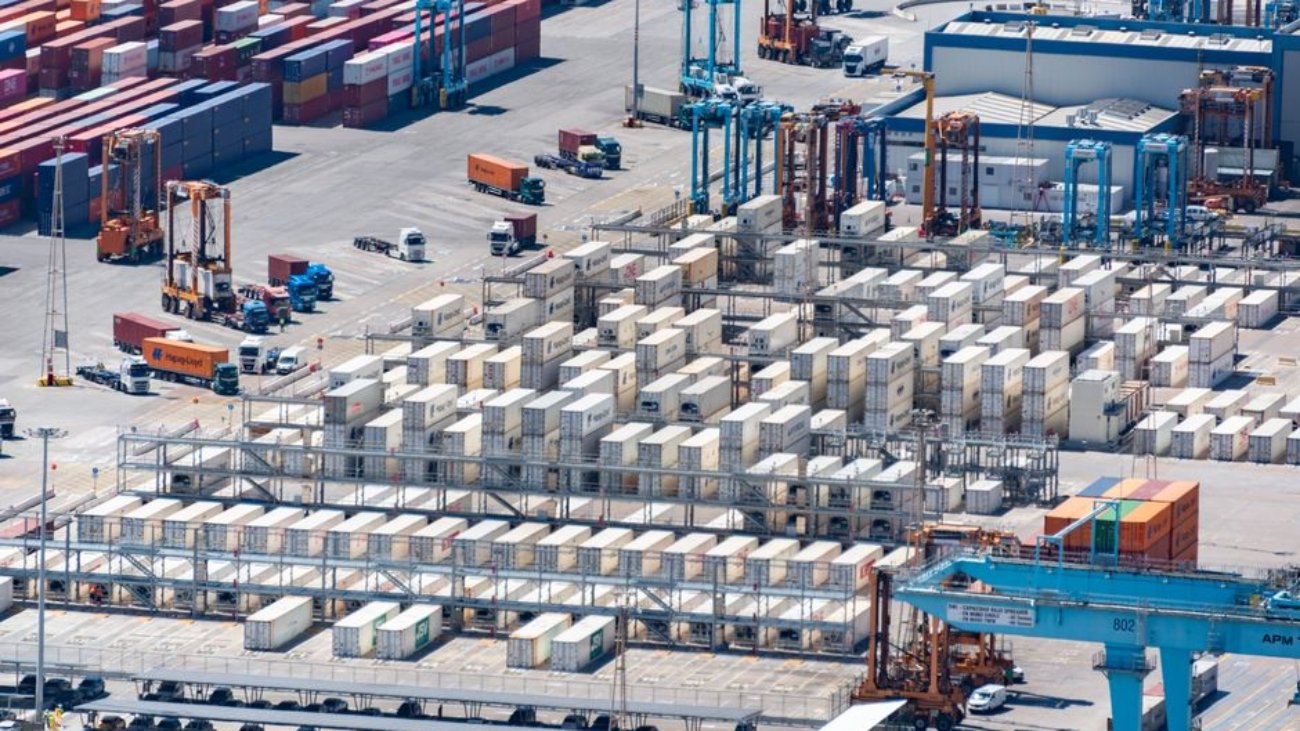
The most common misconception is that a shortage means there simply aren’t enough physical containers on earth. That’s not what’s happening. The global container fleet reached roughly 34.2 million TEU across 7,545 vessels as of mid-2026 — a 5.7% increase year-on-year. There is no global deficit of steel boxes.

There are actually two separate problems that get lumped together under “shortage.”

The first is an equipment shortage — containers aren’t in the right place. The boxes exist, but they’re sitting empty in the wrong port or the wrong country. The second is a space shortage — there are no available slots on the vessels you need, even if containers are available.

Think of it like rental cars in a tourist city. The city might have thousands of cars total, but if most of them are stuck in one neighborhood, the other side of town has none. The problem isn’t the total number of cars. It’s where they are.

Shortages in container shipping work the same way. They’re regional and temporary, not a permanent global crisis. But for the businesses caught on the wrong end of a specific trade lane at the wrong time, the impact is very real.

The Real Causes Behind the Tightness

Several specific factors are driving the current squeeze. Understanding them helps you predict where the next pinch point will be — and plan around it.

Container Repositioning Lag

When containers arrive full at a destination port, they need to be returned empty to the origin port so they can be loaded again. This process takes time, and when demand spikes, the return cycle can’t keep up. Major Chinese ports face chronic shortages of empty equipment because containers are slow to come back from the US and Europe.

Trade Imbalances

Some routes carry far more cargo in one direction than the other. That means containers pile up at the receiving end and disappear at the shipping end. This structural imbalance is one reason Asia consistently faces tighter equipment availability than other regions.

The Red Sea Crisis

Vessels that would normally transit through the Suez Canal are now rerouting around the Cape of Good Hope. That adds 10 to 14 days to each voyage. Longer trips mean fewer round-trip cycles per ship per year, which effectively shrinks usable capacity even though the physical fleet hasn’t changed. Asia–Europe routes absorbed 36% of newly added fleet capacity in part because of these diversions.

Port Congestion and Canal Delays

Congestion at major ports and delays at the Panama and Suez canals extend the time ships and containers spend waiting rather than moving. Every day a container sits idle is a day it can’t be loaded with someone else’s cargo.

Carrier Capacity Management

Shipping carriers don’t just react to demand — they actively manage it. Blank sailings (canceling scheduled voyages) and service reductions tighten available space even when the fleet is large. This is a deliberate business decision, and it directly affects how much space is actually available to shippers.

Which Trade Lanes and Businesses Are Most Exposed Right Now

Not every route is equally affected. Knowing where the pressure is concentrated helps you assess your own risk.

China–US routes are under the most acute stress in mid-2026. Rates from Ningbo to the US West Coast jumped from roughly $2,900 to $6,300 per 40-foot container. East Coast rates moved from around $3,900 to $7,500 — both within about a month. This isn’t just a price problem. Space itself is the binding constraint on these routes.

Asia–Europe routes are dealing with persistent shortages of both 20ft and 40ft containers at major Chinese ports. The Red Sea diversions compound this by stretching voyage times and tying up equipment for longer.

African trades have seen a 25.3% increase in deployed capacity over the past year, as carriers redirect vessels. That growth has pulled some capacity away from other lanes.

In terms of business type, mid-size importers sourcing from China face the sharpest exposure. If you’re booking one to two weeks before sailing, you’re booking too late. Cargo gets rolled — moved to a later vessel — and if that happens around a retail window or a seasonal deadline, you don’t just pay more. You miss the sale entirely.

Exporters on long-term contracts face a different but equally serious problem. When spot rates surge well above contracted rates, carriers have a financial incentive to quietly tighten space allocations for lower-priced contract cargo. Your contract may not protect you as much as you think during a rate spike.

The Business Impact Beyond Higher Freight Bills

The freight rate increase is the visible part of the problem. But the downstream effects often cost more than the extra cost per container.

Surcharges stack up fast. General Rate Increases (GRIs), Peak Season Surcharges, blank sailing fees, and security surcharges all land on top of the base rate. They’re hard to predict mid-contract and even harder to pass on to customers who locked in pricing weeks or months ago.

Transit times get longer and less predictable. A shipment that normally takes 16 days now might take 28. But the bigger issue is the uncertainty — you can’t plan inventory replenishment around a window that shifts by a week or more with little notice.

Production schedules break down. If your factory or warehouse relies on incoming materials arriving on a certain date, a delayed container doesn’t just cause a logistics problem. It causes a production problem, which causes a customer fulfillment problem.

Cash flow takes a hit from both sides. You’re paying more in freight while holding more safety stock to compensate for unreliable lead times. That capital is tied up rather than working elsewhere in the business.

And here’s the critical point that many businesses miss: paying more doesn’t always guarantee you get a slot. Availability itself is constrained on the busiest routes. Money alone won’t solve a space problem when there genuinely are no slots to buy.

What Your Business Can Actually Do About It

Book Earlier Than You Think You Need To

On China–US and Asia–Europe routes during tight periods, booking one to two weeks out is too late. Industry guidance now points to six to eight weeks as a reasonable planning horizon. Confirm container availability before you book, especially if your cargo originates from an inland rail location where equipment positioning is even less predictable.

Don’t Rely on a Single Route or Carrier

Identify your backup routes before you need them. If your primary port is congested or your preferred carrier has blank sailings, you need an alternative ready — not something you’re scrambling to find at the last minute. Talk to your freight forwarder about alternative gateways and what conditions would trigger using them.

Consider Sea-Air and Multimodal Options

For time-sensitive cargo, sea-air combinations (ocean freight partway, air freight for the final leg) can cut transit time significantly. It costs more, but it’s often cheaper than an emergency airfreight booking at full rates — or cheaper than a lost sale.

Audit Your Contracts Now

If you have long-term contracts with carriers, review them before rates spike further. Look at whether your volume commitments are realistic, and consider negotiating flexible volume bands or index-linked rate clauses. These give you protection when spot and contract rates diverge sharply, and they reduce the risk that carriers quietly deprioritize your cargo.

Build Lead Time Buffers Into Your Planning

If your current planning assumes the transit time shown on a shipping schedule, you’re planning for the best case. Build a buffer of at least five to seven additional days into your inventory and production timelines. It’s a simple change that absorbs a lot of the disruption before it becomes a crisis.

Use Better Data and Digital Visibility Tools

Several platforms now offer real-time container availability and vessel tracking. This isn’t just a nice-to-have — knowing where your equipment is and when your vessel actually departs lets you make faster decisions when something goes wrong. For businesses managing multiple shipments, accurate data reduces the number of surprises that turn into expensive fixes.

For more practical business guidance on navigating supply chain and logistics challenges, Daily Business Base covers topics like this regularly.

What to Expect Going Forward

The global container fleet is in structural oversupply — there are more ships and boxes in total than demand requires. That’s a long-term fact that should, over time, put downward pressure on rates.

But structural oversupply doesn’t prevent regional shortages. As long as the Red Sea situation continues, as long as trade imbalances exist, and as long as carriers actively manage capacity through blank sailings, shippers on specific routes will face periods of tight space and high rates. These disruptions are unlikely to disappear cleanly by a fixed date.

Also Read:

Jalapeno Shortage

Jalapeno Shortage: Causes, Impact, and What to Expect

Hot sauce fans have noticed it. Restaurant buyers have noticed it too. Certain products are harder to find, prices are up, and supply is inconsistent from week to week. The common thread running through a lot of these complaints is jalapeños — specifically red jalapeños.

This article breaks down why the shortage is happening, which businesses are feeling it most, how long it might last, and what practical options exist for food operators dealing with tighter supply.

This Isn’t One Simple Shortage — Here’s What’s Actually Happening

Before diving in, it helps to set accurate expectations. This is not a situation where all jalapeños have vanished from every shelf in every store. The reality is more specific than that.

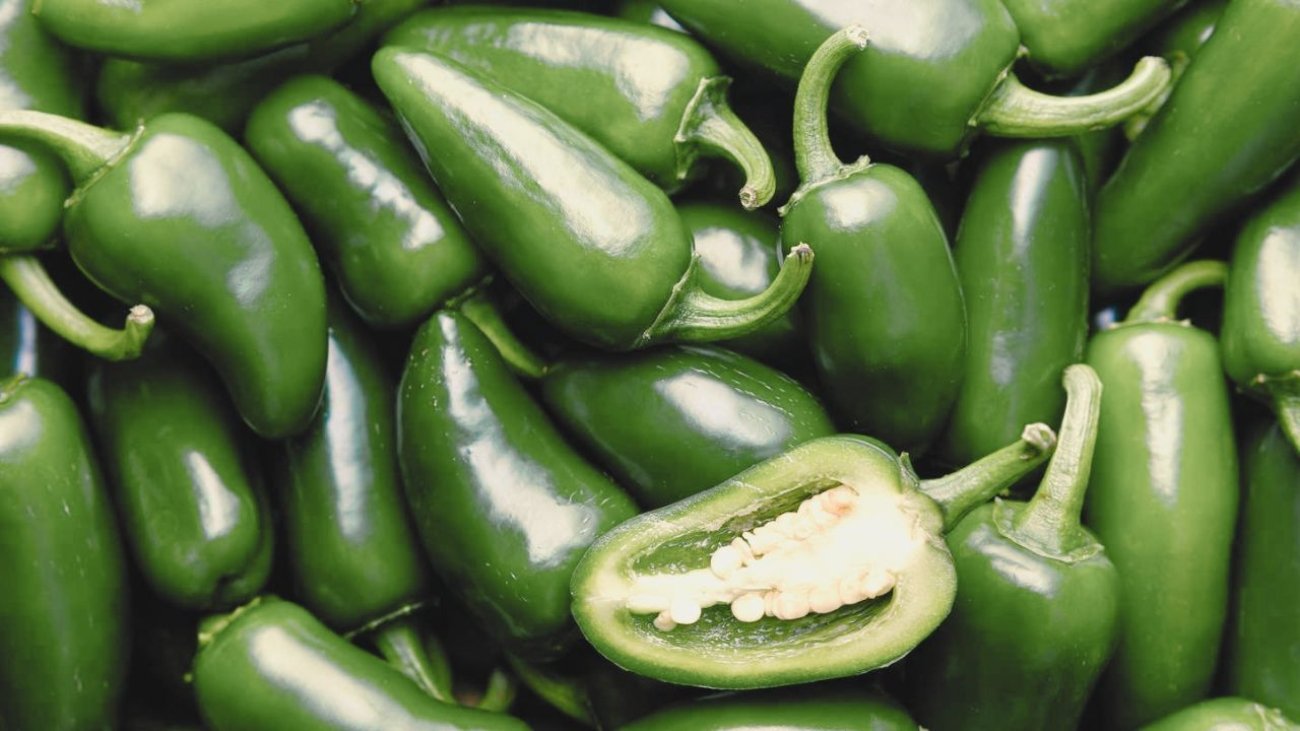
Fresh green jalapeños may still be sitting in your grocery store’s produce section right now. The real disruption is concentrated in red jalapeños, which are a distinct crop used primarily in hot sauces and specialty products. The supply gap is most visible in finished goods, not always in fresh produce.

Availability also varies by region, buyer type, and product category. A small restaurant in one city might have no trouble sourcing fresh jalapeños, while a hot sauce manufacturer across the country is rationing inventory. Framing this as a targeted produce supply disruption is more accurate than calling it a blanket nationwide shortage.

Why Red Jalapeños Are the Problem

Red jalapeños are not a different pepper variety. They are green jalapeños that have been left on the plant longer to fully ripen. That extra time on the vine changes everything — they become sweeter, slightly hotter, and develop a deeper flavor profile that is distinct from their green counterpart.

Because they need more time, specific climate conditions, and careful harvest timing, red jalapeños are harder to grow at scale. They are also the primary ingredient in Sriracha-style sauces, including the well-known Huy Fong product that became a staple in kitchens and restaurants across the country.

When red jalapeño crops fail, the damage does not stop at the farm. It cuts supply for sauce manufacturers who depend on large, consistent volumes of that specific pepper. Think of it like a single missing component on a production line. One missing part does not just slow things down — it can stop the whole operation. A crop failure at the farm level can halt an entire finished product line before a single bottle reaches a store shelf.

What’s Causing the Crop Failures

There is no single confirmed cause that applies neatly to every market. What the current reporting points to is a combination of overlapping pressures rather than one clear villain.

A significant factor is multi-year drought in Mexico, which has stressed growing regions that supply a large share of U.S. jalapeño volume. When water is scarce over multiple seasons, crop yields drop and quality becomes inconsistent. That kind of pressure compounds over time and does not reverse quickly.

On top of drought, there have been unexpected agricultural cycle disruptions and crop failures that have added strain. Other factors — pests, disease, and rising demand — can also tighten supply in a market that already operates with narrow margins and limited flexibility.

It is worth being careful here. Different sources point to different primary causes, and the honest answer is that several things appear to be happening at once. Treating the causes as overlapping rather than isolated gives a more realistic picture of what growers and buyers are actually dealing with.

Which Businesses Are Feeling It Most

The impact is not spread evenly. Some businesses are absorbing a minor inconvenience. Others are restructuring their supply operations.

Hot Sauce Manufacturers

These companies face the most direct hit. When red jalapeño intake drops, manufacturers have limited options. They can ration distribution, adjust recipes, reduce output, or pause certain product lines entirely. Any of these choices affects retailers and foodservice buyers downstream.

Grocery Retailers

Retailers may see price surges on specialty hot sauces even when fresh jalapeños still sit undisturbed in the produce aisle. That can confuse shoppers, but it reflects a real difference in supply streams. The bottled sauce and the fresh pepper are sourced through entirely different channels, and a disruption in one does not automatically affect the other.

Restaurants and Foodservice Buyers

Restaurants that rely on jalapeño-forward menu items face higher ingredient costs or inconsistent supply from their distributors. Foodservice buyers may find themselves receiving smaller allocations with little advance notice, making it harder to plan menus and control food costs. For operations running on tight margins, that kind of unpredictability adds up fast.

Consumers

Shoppers are noticing it at the register. A bottle of Sriracha that once cost a few dollars has commanded significant premiums on secondary markets during peak shortage periods. Price surges on specialty hot sauces have been documented at the supermarket level, and that trend is likely to continue as long as supply remains constrained.

How Long the Shortage Could Last

Based on current reporting, spotty availability could persist for roughly four to six months, though that depends heavily on how the late-fall harvest performs. If crop volumes come in at expected levels, stabilization becomes more likely. If harvests disappoint again, the disruption extends further.

The challenge is that specialty produce supply chains are narrow by nature. Manufacturers like Huy Fong have historically sourced from a limited set of growers and regions. That kind of concentration makes the supply chain efficient in good years and very fragile in bad ones. There is not a large pool of backup suppliers ready to step in when a key crop fails.

This is not unique to jalapeños. It is a pattern seen across agricultural supply chains where a manufacturer builds a product around one specific ingredient from a specific growing region. When that region has a bad year, the entire downstream product feels it.

What Food Operators Can Do Right Now

There is no perfect solution, but there are practical steps food businesses can take to reduce exposure while the market stabilizes.

  • Audit your menu and recipes. Identify which items depend specifically on red jalapeños or jalapeño-based sauces. Some may be easy to adjust; others may define the dish too much to change.
  • Consider substitutes carefully. Serranos are hotter and slightly different in flavor. Fresno peppers are milder and fruitier. Neither is a perfect drop-in replacement, but either can work depending on the application. The goal is matching the heat level and flavor profile as closely as possible for your specific use case.
  • Talk to your distributor now. Do not wait for a shortage to hit your next order. Find out what your current allocations look like and whether pricing adjustments are coming.
  • Buy in bulk where it makes sense. If your storage and cash flow allow it, locking in supply at current prices is a reasonable hedge against further price increases.
  • Update your menu language. If a dish relies on a specific sauce that is now unavailable or too expensive, consider adjusting the description rather than silently swapping the ingredient or pulling the item entirely.

For deeper coverage of food industry supply challenges and what they mean for business operations, Daily Business Base tracks these kinds of developments with a practical, operator-focused lens.

The Bigger Business Lesson Here

Beyond the immediate shortage, this situation highlights a risk that applies to food businesses of all sizes: single-ingredient dependency.

When a manufacturer builds a popular product around one specific pepper grown in one region, they are exposed to whatever that region experiences — drought, disease, a bad season, or a trade disruption. That exposure does not show up as a problem until suddenly it does, and by then there is little time to respond.

Diversifying sourcing, building modest buffer stock for key ingredients, and stress-testing recipes for substitution possibilities are not just good practices during a shortage. They are smart procurement habits that protect margins and keep operations stable when supply gets unpredictable.

The jalapeño shortage is a useful reminder that agricultural supply chains carry real risk, and businesses that plan for disruption before it happens are far better positioned than those that respond to it after the fact.

Final Thoughts

The jalapeño shortage — more precisely, the red jalapeño supply disruption — is real, but it is not a single, simple story. It is the result of drought pressure, crop failures, and concentrated supply chains colliding at the same time. The businesses feeling it most are hot sauce manufacturers and the retailers and restaurants that depend on their products.

The disruption could ease in the next few months if harvests recover. But even if supply normalizes quickly, the underlying fragility in specialty produce supply chains does not go away. For food businesses, the practical response is to act now — audit your ingredient dependencies, talk to your suppliers, and start planning around the possibility that availability stays tight for longer than expected.

Also Read:

Tofu Shortage

Tofu Shortage in Germany: Causes and What Comes Next

Walk into an Edeka or Rewe in Germany right now, and the tofu section may stop you cold. Shelves that normally carry a full range of tofu products — plain blocks, smoked varieties, marinated cubes — are sitting empty or replaced with “temporarily unavailable” labels. At least one major manufacturer has said that normal availability may not return until early 2027.

That is a long time for a staple product to be missing from grocery shelves. This article breaks down why the shortage is happening, what it reveals about supply chain risk in the plant-based sector, and what manufacturers, retailers, and investors should be watching closely.

Where the Tofu Shortage Is Happening and What It Looks Like

The shortage is concentrated in Germany and parts of central Europe. This is not a worldwide collapse in tofu supply. It is a regional manufacturing problem, and that distinction matters when thinking about how to respond to it.

In German supermarkets, multiple tofu SKUs are missing at once — not just one variety, but natural, smoked, marinated, and flavored options across the same shelf. Delivery volumes from some manufacturers have been reduced over several weeks, and retailers have had limited room to compensate.

Because tofu is a primary protein source for vegetarian and vegan consumers, gaps like this get noticed fast. These shoppers are not grabbing tofu on impulse — it is a planned purchase and often a dietary cornerstone. When it is gone, they report it, and the coverage spreads quickly.

The Real Causes Behind the Shortage

The shortage is not driven by a global soy shortage or an agricultural failure. Current evidence points to two specific problems inside manufacturing facilities: technical malfunctions and a deficit of skilled workers.

The technical failures are particularly damaging because of how tofu production works. Natural tofu — the plain, base product — is the input for nearly everything else a manufacturer produces. Smoked tofu, marinated cubes, and ready-to-cook products all start with natural tofu. When production of that base product breaks down, the disruption does not stay contained. It cascades across an entire product portfolio at once.

The labor problem compounds the damage. With fewer qualified workers on the production floor, facilities cannot operate at full capacity or recover quickly. And because demand has not dropped — if anything, it has risen steadily as more German consumers move toward vegetarian, vegan, and flexitarian diets — there is no demand-side relief while supply contracts. The gap between what consumers want and what manufacturers can deliver keeps widening.

Why One Plant Failure Can Empty Every Tofu Shelf

This situation is a textbook example of what happens when supply chains are too concentrated. Many supermarket private-label and branded tofu products are sourced from a small number of large producers. When one major manufacturer runs into serious trouble, retail coverage across multiple store brands drops at the same time.

One major tofu producer publicly acknowledged a “significant decrease in availability” and outlined a gradual reintroduction plan — with full availability not expected until early 2027. That is an unusually long recovery window for a food staple. It signals that the damage goes beyond a minor equipment fix and involves deeper operational rebuilding.

Retailers face limited options in this situation. Sourcing from smaller or foreign suppliers is possible, but it adds cost and logistics complexity that takes time to arrange. Placing alternative products in the space — other plant proteins, frozen meat substitutes — may fill a shelf, but it does not satisfy the same consumer need or restore category confidence.

The underlying business risk here is worth naming clearly: plants running at high utilization without backup capacity are efficient under normal conditions, but they are structurally fragile. A single bottleneck in a vertically integrated process can bring down an entire product line. The tofu situation illustrates that principle in concrete terms.

Tofu Is Not Alone — A Pattern Across the Grocery Market

Food-category shortages are not rare, and comparing them helps clarify what type of problem is actually at hand.

The cottage cheese shortage of 2025 is a useful parallel. Producers could not scale output fast enough to meet a sudden surge in demand. The core problem — production capacity lagging behind consumption — is structurally similar to what the tofu market is experiencing now, even if the specific trigger is different.

Garlic and olive oil tell a different story. Those shortages are driven by climate conditions and agricultural disruptions in China, southern Europe, and California. Supply-side shocks rooted in growing seasons and weather events have a different character than manufacturing and labor failures inside a plant. Both end up as empty shelves and higher prices, but the response strategies are different.

The broader pattern is clear: food categories that appear stable can become scarce quickly when demand, labor, equipment, or weather shift in the wrong direction at the same time. No single factor is usually responsible on its own. It tends to be a combination of pressures arriving together.

Business Implications for the Plant-Based Sector

For manufacturers, retailers, and investors with exposure to the plant-based market, this shortage raises several practical questions worth addressing directly.

For Manufacturers

The tofu shortage is a signal that capacity planning in the plant-based sector has not kept pace with demand growth. Companies that have grown quickly on the back of rising consumer interest in plant-based diets now face the operational challenge of building resilient production infrastructure — not just expanding volume. That means investing in redundant production capacity, diversifying supplier relationships, and addressing structural labor shortages in food manufacturing.

For Retailers

Supermarkets carrying a concentrated range of tofu products from a small number of suppliers are exposed when those suppliers face disruption. Diversifying sourcing — even if it comes with added cost — is a risk management decision, not just a procurement preference. Retailers may also consider developing contingency plans for category-level gaps, including pre-agreed alternative products and clear customer communication protocols.

For Investors

The tofu shortage highlights a genuine tension in the plant-based sector. Consumer demand for these products is real and growing. But the supply chain infrastructure supporting that demand is still maturing. Companies that can demonstrate manufacturing resilience, multi-supplier sourcing, and operational depth are better positioned than those relying on single facilities and tight margins. The shortage may also create a legitimate opening for smaller regional tofu producers or new market entrants — provided they can secure raw materials, meet food safety standards, and build retailer relationships quickly enough to capture the demand gap.

How Restaurants and Food Service Are Adapting

The impact of the shortage extends beyond retail shelves. Vegan and vegetarian restaurants, caterers, and meal kit companies that depend on consistent tofu supply are managing real operational pressure.

Short-term responses include reformulating dishes around alternative proteins — chickpeas, seitan, tempeh, or legume-based options — and adjusting menus with transparency about substitutions. Some food service operators are testing relationships with regional tofu producers or evaluating imported product, accepting the higher cost as a temporary trade-off for continuity.

These adaptations are not costless. Reformulating dishes involves labor, testing, and sometimes customer pushback. Importing product adds procurement complexity. But businesses that move early to build alternative supplier relationships may exit the shortage period in a stronger position than those that waited for normal supply to resume.

What Comes Next

Based on current reporting, the most likely scenario is a gradual improvement through 2026 and into early 2027 as manufacturing capacity is repaired and staffed. Full normalization depends on several factors: equipment restoration, successful hiring and training, stabilized supply contracts, and the ability to rebuild output without triggering further disruptions.

What is unlikely to change is the underlying demand environment. German and European consumers are not retreating from plant-based diets. The structural growth in tofu demand that contributed to this bottleneck will continue putting pressure on supply chains. That means the businesses best positioned for the medium term are those treating this shortage not as a temporary inconvenience but as a signal to invest in more robust production and sourcing infrastructure.

For ongoing coverage of supply chain issues and business strategy in the food sector, Daily Business Base tracks the developments that matter to operators, retailers, and investors.

Key Takeaways

  • The tofu shortage is a regional manufacturing problem centered in Germany, not a global agricultural failure.
  • Technical malfunctions at production facilities and a deficit of skilled workers are the primary causes — not a soy supply shortage.
  • Because natural tofu is the base for multiple product lines, one plant failure disables an entire portfolio.
  • At least one major manufacturer does not expect full availability to return until early 2027.
  • Concentrated sourcing among a small number of large producers amplifies the retail impact of any single disruption.
  • The shortage creates real but conditional opportunities for smaller producers and alternative protein categories.
  • Long-term demand for tofu and plant-based protein in Europe is not softening — which makes supply chain resilience a strategic priority, not just an operational concern.