Anna Mcenroe

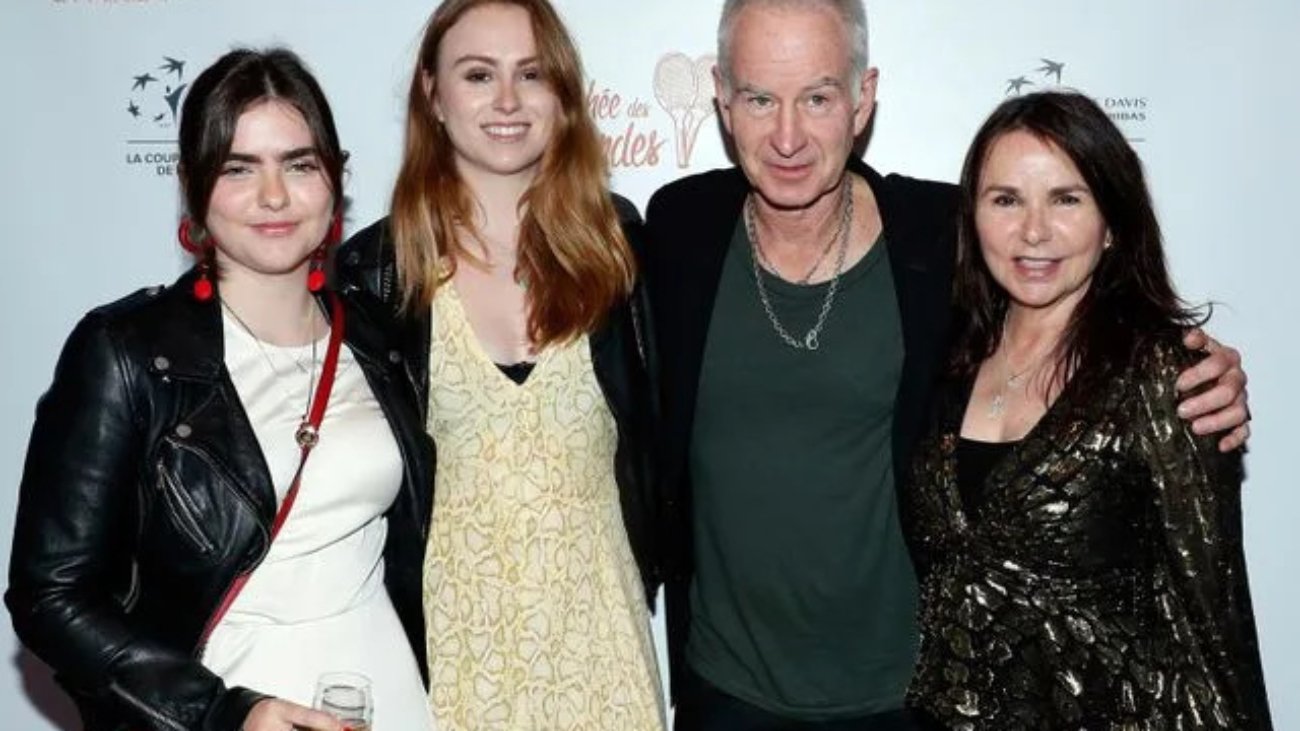
Anna McEnroe: John McEnroe and Patty Smyth’s Daughter

Many people searching for Anna McEnroe want one simple answer first — who is she, and what is her connection to the McEnroe name? This article answers that clearly, then fills in the family background, her reported legal career, her 2024 marriage, and where she fits in the broader McEnroe family.

One quick note before we get started: searching “Anna McEnroe” can pull up two entirely different people. This article covers John McEnroe and Patty Smyth’s daughter. A separate woman named Anna McEnroe — born Anna O’Reilly — lived in County Meath, Ireland, and has no connection to the American celebrity family described here.

Who Anna McEnroe Is?

Anna McEnroe is the daughter of tennis champion John McEnroe and rock singer Patty Smyth. She was born in 1995, according to reporting from People and other celebrity sources.

She is not a public entertainer or athlete in her own right. Most coverage of her connects back to her parents rather than to any independent public career. That does not make her story uninteresting — it just means she has largely lived outside the spotlight despite growing up with two well-known parents.

If you came across her name in a celebrity family article, a genealogy search, or a report about her recent wedding, you are in the right place.

Her Parents — John McEnroe and Patty Smyth

John McEnroe became one of the most recognizable figures in tennis during the late 1970s and 1980s. He won multiple Grand Slam titles and was ranked number one in the world. He is also widely known for his intense on-court personality, which made him one of the most talked-about athletes of his era.

After his professional playing career, McEnroe moved into media and commentary. He has remained a visible public figure for decades, which is part of why his family continues to attract reader interest.

Patty Smyth is a singer and songwriter with a recognized career in rock music. She is perhaps best known for her work as the lead vocalist of the band Scandal and for her solo career in the 1980s and 1990s.

John and Patty married in 1997 — two years after Anna was born. Their relationship and marriage have been covered in celebrity media over the years, and their daughters occasionally appear in broader family profiles.

Anna’s Place in the McEnroe Family

John McEnroe has five children across two marriages. Understanding the full family structure helps explain where Anna fits and clears up confusion that sometimes appears in family-tree searches.

From his first marriage to actor Tatum O’Neal, John McEnroe has three children:

  • Kevin McEnroe
  • Sean McEnroe
  • Emily McEnroe

With Patty Smyth, he has two daughters:

  • Anna McEnroe (born 1995)
  • Ava McEnroe (younger sister)

Anna is the older of the two daughters that John and Patty share. She is also the younger half-sister of Kevin, Sean, and Emily. It is worth being clear here: Anna is not John McEnroe’s oldest child. He has three older children from his first marriage. She is the eldest child of his relationship with Patty Smyth specifically.

Both People and Hello! Magazine have reported on this five-child family structure, and IMDb’s biography for John McEnroe also lists this breakdown.

Her Reported Career in Law

One of the more common questions about Anna McEnroe is what she does professionally. Based on public reporting, she has pursued a career in law rather than entertainment or sports.

People magazine, citing her LinkedIn profile, reported that Anna works as a staff attorney at Brooklyn Defenders. Hello! Magazine’s coverage has also linked her education to Fordham, though the specific degree program has not been confirmed in primary sources.

It is worth being careful here. Employment details can change, and LinkedIn-based information reflects a point in time. The reporting supports the conclusion that Anna has a legal career, but it would be inaccurate to describe her as a “celebrity attorney” or suggest she has any independent public profile in law. She appears to be a working attorney, not a public figure in her professional field.

What is clear is that she chose a path quite different from the entertainment and sports worlds her parents occupied. That choice seems consistent with the generally private approach she has taken throughout her adult life.

Anna McEnroe’s 2024 Marriage

The most recent confirmed public development in Anna’s life is her marriage. People reported that Anna McEnroe married Brian Kerrigan in October 2024.

Beyond that basic fact, reliable sources do not provide verified details about the ceremony, its location, or other specifics. Rather than fill that gap with speculation, it is better to note what is confirmed and leave the rest unaddressed.

The marriage was covered briefly in celebrity media, largely in the context of articles about John McEnroe’s family. Anna herself does not appear to have made public statements about the wedding through interviews or social media that have been widely reported.

Why Anna McEnroe Surfaces in Searches?

Readers find Anna McEnroe’s name through a few different routes. Some are reading articles about John McEnroe’s career and come across references to his family. Others are looking through genealogy or family-tree databases. Some arrive after seeing a brief mention in celebrity coverage of her 2024 marriage.

She is not a household name on her own, and she does not appear to seek public attention. Coverage of her is almost entirely tied to her family connections rather than to anything she has done in a public-facing role. That is simply the reality of her public footprint, and it should be reported accurately rather than exaggerated.

For readers who want to stay updated on celebrity family stories and related topics, Daily Business Base covers a range of profiles and background features worth exploring.

A Note on the Other Anna McEnroe

As mentioned at the top, search results for “Anna McEnroe” can bring up a second, completely unrelated person. The Meath Chronicle covered an Irish woman named Anna McEnroe — born Anna O’Reilly — who lived in County Meath and celebrated her 105th birthday in early 2025. She passed away later that year.

That Anna McEnroe had no connection to the American tennis family. The shared name is simply a coincidence. If your search led you to Irish newspaper results or genealogy records from County Meath, that is a different person entirely.

Summary: What We Know About Anna McEnroe

Here is a straightforward recap of the confirmed, publicly reported facts:

  • Anna McEnroe was born in 1995 to John McEnroe and Patty Smyth.
  • Her parents married in 1997, two years after her birth.
  • She has two full siblings and three half-siblings through her father’s first marriage.
  • Public reporting identifies her as a staff attorney at Brooklyn Defenders, with a law education linked to Fordham.
  • She married Brian Kerrigan in October 2024, according to People magazine.
  • She does not have an independent public profile and has largely maintained a private life.

Anna McEnroe is not a celebrity in the way her parents are. She grew up with two well-known figures as parents, chose a professional path in law, and has kept a low profile by most measures. That is a reasonable and complete picture of who she is, based on what public reporting reliably confirms.

Read Also: 
Veronica Capone (1)

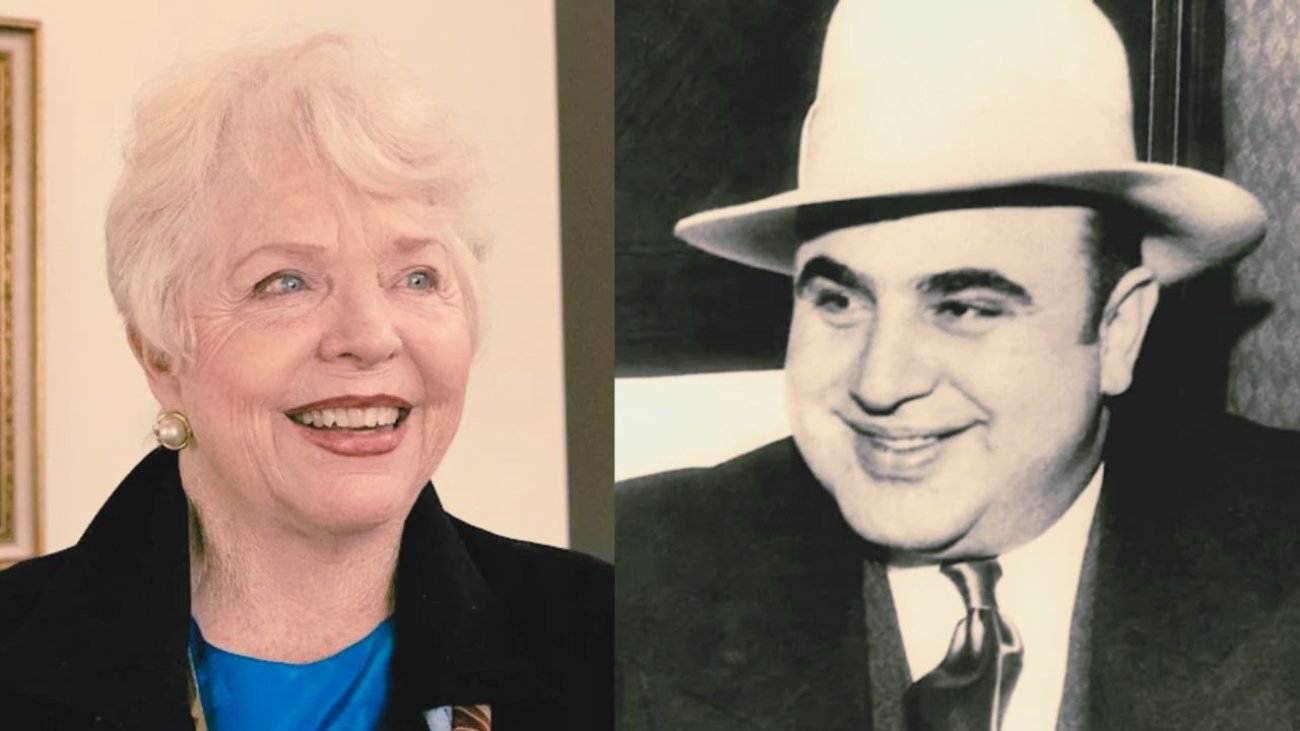
Veronica Capone: Al Capone’s Eldest Granddaughter

Most people who search for Veronica Capone already know the name Al Capone — the notorious Chicago crime figure who dominated headlines during the Prohibition era. Veronica belonged to the generation that came after all of that. She lived quietly, far from Chicago, in the long shadow of a grandfather she likely never had the chance to know as a free man.

This article covers who Veronica Capone was, her place in the Capone family tree, what is reliably known about her life, her sisters, and why the family’s story continues to attract public interest decades after Al Capone’s death.

Who Veronica Capone Was?

First, a common point of confusion worth clearing up: Veronica Capone was Al Capone’s granddaughter, not his daughter. She was one generation removed from him.

The family line is straightforward. Al Capone and his wife Mae Coughlin had one child together — a son named Albert Francis Capone, known as Sonny. Sonny Capone later married a woman named Diana Ruth Casey. Together, they had four daughters, and Veronica was the eldest of those four girls.

So the line runs: Al Capone → Sonny Capone → Veronica Capone.

Some online biographical profiles identify her more fully as Veronica Frances “Ronnie” Capone Peterson. The nickname “Ronnie” and the surname “Peterson” appear in several secondary sources, reportedly connected to a marriage. However, these details come from sources that are not among the strongest available, so they are best treated as reported rather than fully confirmed.

Her Parents — Sonny Capone and Diana Casey

Veronica’s father, Sonny Capone, holds a specific and well-documented place in the family history. He was Al Capone’s only child. Al Capone had no other children, which means Sonny was the single link between Al Capone and the next generation.

Sonny and Diana Ruth Casey reportedly met when they were teenagers, both attending St. Patrick’s Catholic School in Miami Beach. The family settled and stayed in South Florida — not in Chicago, which is the city most people associate with the Capone name.

That geographical detail matters. Veronica and her sisters grew up in a South Florida environment, removed from the world of organized crime that had defined their grandfather’s public life. Their upbringing was shaped more by suburban Miami Beach than by anything connected to Chicago in the 1920s and 1930s.

Sonny Capone is consistently described in reliable sources as Al Capone’s only biological child. There is no credible evidence that Al Capone had other children, so Veronica’s generation — Sonny’s four daughters — represents the full known scope of Al Capone’s grandchildren.

Veronica’s Sisters and the Capone Granddaughters

Sonny and Diana Capone had four daughters in total. According to People, those four daughters were Veronica, Teresa, Barbara, and Patricia — who is also commonly referred to as Diane or Diane Capone. The use of both names in public coverage can cause some confusion, but Patricia and Diane appear to refer to the same person.

These four sisters are the known grandchildren of Al Capone. No additional grandchildren are confirmed by reliable sources.

All four were raised in the Miami Beach area of Florida. Publicly available reporting consistently describes the sisters as having lived private, ordinary lives. There is no documented history of criminal activity connected to any of them. They are not public figures in the traditional sense — their names surface mainly because of their grandfather’s historical notoriety.

It is worth being clear that each sister is a separate individual with her own life story. Veronica, as the eldest, is sometimes the first name that comes up in searches, but she should not be confused with Teresa, Barbara, or Patricia.

What Is Known About Veronica’s Life?

The confirmed details about Veronica’s personal life are limited, and that is worth being honest about.

Secondary sources place her birth in Miami Beach, Florida, in 1943. That date appears in several biographical profiles, but it is not drawn from a primary document in the research available, so it is best understood as reported rather than independently verified.

Some profiles describe her as having married a man named Gordon Peterson, which would explain the surname “Peterson” sometimes attached to her name. Again, this comes from sources that carry less editorial weight, so the marriage detail should be taken as reported rather than certain.

What is consistently described across stronger sources is that Veronica, like her sisters, lived away from public life. There is no documented public career, no record of involvement in organized crime, and no evidence she sought out media attention related to her family name.

Details about her education, occupation, children, or daily life are not confirmed by reliable reporting. It would not be accurate to invent or assume those details.

Her Reported Death

Some coverage of the Capone family indicates that Veronica died before her sisters became involved in a 2021 auction of Al Capone memorabilia. People reported that one of the surviving sisters mentioned Veronica had died “some years ago.”

A separate biographical profile gives November 17, 2007, as her death date and names acute myelogenous leukemia as the cause. However, that level of medical and date-specific detail comes from a source without strong editorial verification, so it should be understood as reported, not confirmed.

What can be said with reasonable confidence is that Veronica appears to have passed away before her surviving sisters began making limited public appearances connected to Al Capone’s legacy.

The 2021 Auction and the Capone Legacy

In 2021, Al Capone’s surviving granddaughters were involved in an auction of items connected to their grandfather. The sale included firearms, jewelry, photographs, personal correspondence, and other belongings. The Chicago Tribune reported on the event, which drew significant attention given Al Capone’s place in American crime history.

Because Veronica had reportedly died before the auction took place, she was not among the sisters involved in organizing or presenting the sale. The event involved her surviving sisters — Teresa, Barbara, and Patricia/Diane.

The auction is part of why the Capone granddaughters have come back into public conversation in recent years, decades after Al Capone himself died in 1947. For people researching the family, the sale offered a rare window into how the next generation related to the belongings and memory of a grandfather who became a permanent figure in American history.

For broader context on family histories and public figures, Daily Business Base covers a range of topics connecting personal stories to wider cultural conversations.

Al Capone — A Brief Background

For readers less familiar with the broader family history, a short recap helps place Veronica in context.

Al Capone was a major organized crime figure in Chicago during the Prohibition era of the 1920s and early 1930s. He became one of the most widely recognized names in American crime history. He married Mae Coughlin in 1918, and together they had one son — Albert Francis “Sonny” Capone.

Al Capone was convicted of tax evasion in 1931 and served time in federal prison, including a period at Alcatraz. He died in January 1947 in Miami, Florida, from complications related to syphilis. He was 48 years old.

By the time Veronica was born, her grandfather was already serving time in prison. The version of Al Capone that the public knew — the powerful, headline-making crime boss — was never the version she would have experienced in any direct way.

A Family That Chose Privacy

The clearest thread running through everything reliably reported about Veronica Capone is that she, like her sisters, chose not to build a public identity around the Capone name.

She was born into a family that carried enormous public weight, but she appears to have lived her life largely outside of that weight. No criminal history, no public career, no documented involvement in anything that would have kept her name in circulation on its own terms.

Her story is, in a sense, a quiet one — and that quietness is itself worth noting. Not every descendant of a famous figure chooses or seeks the spotlight. Veronica Capone’s life, as far as public records reflect it, was lived on private terms.

She is remembered now mostly in the context of her grandfather’s lasting historical footprint and her place as the eldest of his four known granddaughters. That may be exactly the kind of legacy she would have preferred.

Read Also: 

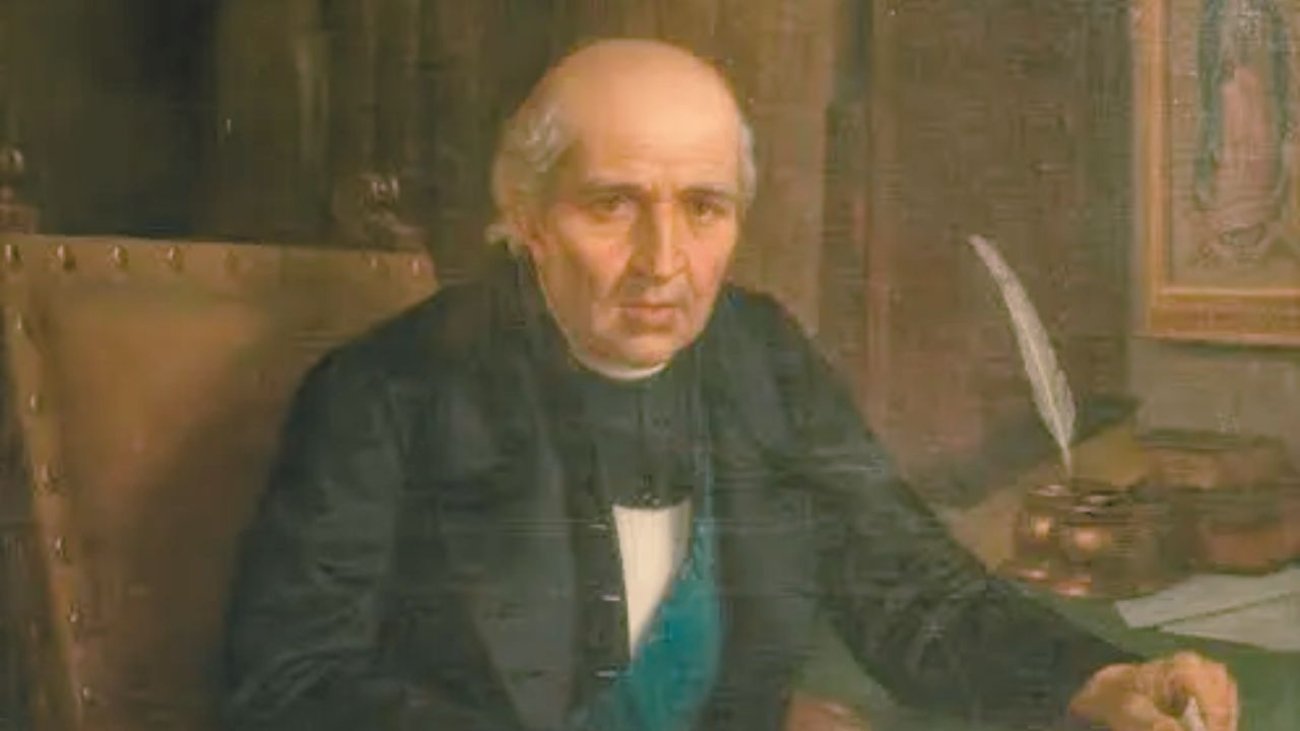
Miguel Hidalgo y Costilla

Miguel Hidalgo y Costilla: Father of Mexican Independence

Few figures in Latin American history carry as much symbolic weight as a parish priest from a small town in Guanajuato who rang a church bell in 1810 and changed the course of a nation. His name was Miguel Hidalgo y Costilla, and more than two centuries later, Mexico still pauses every September to honor what he set in motion.

This article covers who he was, where he came from, what he did, how his life ended, and why his memory remains so present in Mexican civic life. If you have encountered his name through genealogy research, there is a note for you near the end as well.

Who Was Miguel Hidalgo y Costilla?

Miguel Hidalgo y Costilla was a Roman Catholic priest and one of the leading figures in the Mexican War of Independence from Spain. He is widely referred to as the “Father of Mexican Independence,” a title that reflects his role in launching the independence movement rather than completing it — a distinction worth keeping in mind.

He was born on May 8, 1753, at the Hacienda de San Diego de Corralejo in Pénjamo, Guanajuato. This birth date and birthplace are confirmed by the Mexican Secretariat of Public Education and other official sources.

His father, Cristóbal Hidalgo y Costilla, managed a hacienda. Miguel belonged to the Creole class — people of Spanish ancestry who were born in the Americas. This detail matters more than it might seem. Under Spanish colonial rule, Creoles held a different legal and social status than people born in Spain itself, despite sharing the same ancestry. That gap shaped many Creoles’ political frustrations, including Hidalgo’s.

His Education and Life as a Priest

Before he became a revolutionary figure, Hidalgo built a serious intellectual career. He studied theology and philosophy at the Colegio de San Nicolás in Valladolid, a city now known as Morelia. He performed well enough that he later returned to the same institution as a teacher and eventually became its rector.

He was ordained as a priest in 1778. In 1803, he was appointed parish priest of Dolores, a town in Guanajuato. There, he became known for more than religious duties. Accounts describe him as actively encouraging local economic life — promoting farming, crafts, and practical learning among the people he served.

This background is important context. Hidalgo was not simply a figurehead who stumbled into a revolution. He was an educated man with experience teaching, leading an institution, and working directly with ordinary people. That combination gave him both intellectual credibility and genuine community connections when the political situation reached a breaking point.

The Grito de Dolores and the Start of the Uprising

On September 16, 1810, Hidalgo called the people of Dolores to action against Spanish colonial rule. This event became known as the Grito de Dolores — the “Cry of Dolores.” It is treated as the symbolic beginning of Mexico’s independence movement and is why September 16 is now Mexico’s Independence Day.

One thing worth clarifying: September 16, 1810 was not the day Mexico became independent. It was the day the uprising began. Mexico would not formally achieve independence until 1821, more than a decade later. The date marks the start of the struggle, not its conclusion.

As for the speech itself — the exact words Hidalgo used that morning have never been fully preserved. Later commemorations shaped how the Grito is remembered and repeated today. No version should be treated as a word-for-word transcript of what was actually said.

What followed the Grito drew in large numbers of Indigenous and mestizo followers, along with others who opposed colonial rule. The movement grew quickly. Early military engagements produced real victories, and the insurgent forces were formidable in size. However, the army was poorly organized, and that weakness showed over time. After initial momentum, the forces suffered significant defeats against the more disciplined royalist military.

Capture, Execution, and the End of His Role in the War

Royalist forces ultimately defeated Hidalgo’s army. He was captured in 1811. What followed reflected the full weight of what he had done in the eyes of the colonial establishment: he was condemned by both civil authorities and church authorities.

That dual condemnation is telling. Hidalgo had been part of that very establishment — an ordained Catholic priest, a rector, a community leader working within the colonial system. His decision to lead a revolution placed him in direct conflict with the institutions he had once served, and those institutions responded accordingly.

He was executed in 1811. Reputable sources vary slightly on the exact date. Encyclopaedia Britannica cites July 30, while other authoritative accounts give July 31. Rather than assert one date with complete certainty, it is more accurate to say the execution occurred in late July 1811.

Hidalgo did not live to see Mexico become independent. He launched the movement, but the final campaign was carried forward by other leaders — most notably José María Morelos and, later, Agustín de Iturbide. Independence was declared in 1821, ten years after Hidalgo’s death.

How Mexico Commemorates Him Today?

Hidalgo’s presence in Mexican public life is hard to overstate. September 16 is celebrated as Independence Day each year, with the Mexican president traditionally ringing a bell and delivering a version of the Grito from the balcony of the National Palace in Mexico City. The ceremony traces its symbolism directly back to Hidalgo’s 1810 call to action.

The town of Dolores, where Hidalgo served as parish priest and where the uprising began, is now officially named Dolores Hidalgo in his honor. An entire Mexican state — the state of Hidalgo — also bears his name. His image appears in public monuments, school curricula, and civic celebrations across the country.

A 2025 publication from the Mexican government reaffirmed his birth date, birthplace, and official recognition as the “First Insurgent” and “Father of the Nation.” His place in Mexican national identity is not a recent development — it has been consistently maintained for generations.

A Note for Genealogy Researchers

Because Hidalgo is such a prominent historical name, it occasionally appears in family trees on genealogy platforms. If you have encountered the name “Miguel Hidalgo” in your own research, a few careful steps will help you figure out what you are actually looking at.

Start with specifics. The historical Hidalgo was born May 8, 1753, at the Hacienda de San Diego de Corralejo in Pénjamo, Guanajuato. His father was Cristóbal Hidalgo y Costilla. His occupation was Catholic priest. If the person in your tree does not match these documented details, the connection to the national hero is likely a coincidence of surnames rather than an actual family link.

Surnames like Hidalgo, Costilla, and related names appear across many Mexican family lines. Sharing a surname does not establish descent. Verifiable descent requires successive records — parish registers, civil registrations, land documents, wills, or archival sources — linking each generation in sequence. An unsourced online family tree is not sufficient evidence on its own.

For readers building out Mexican family history, resources at Daily Business Base can point you toward practical research strategies and how to approach historical records carefully.

Why His Story Still Matters?

Miguel Hidalgo y Costilla was not a general, not a politician, and not a figure who lived to see the outcome of what he started. He was a well-educated priest from a colonial Creole family who became convinced that Spanish rule needed to end — and who acted on that conviction in a very public, irreversible way.

His story sits at the intersection of religion, colonial politics, social class, and revolution. He was part of the establishment before he challenged it. His followers came from communities that had the least power under the colonial system. And his movement, despite its military struggles, set something in motion that could not be stopped.

Mexico became independent in 1821. Hidalgo had been dead for ten years by then. But the date that the country officially commemorates — September 16 — is his date. That says something about how history remembers the people who begin things, even when others finish them.

Read Also: 

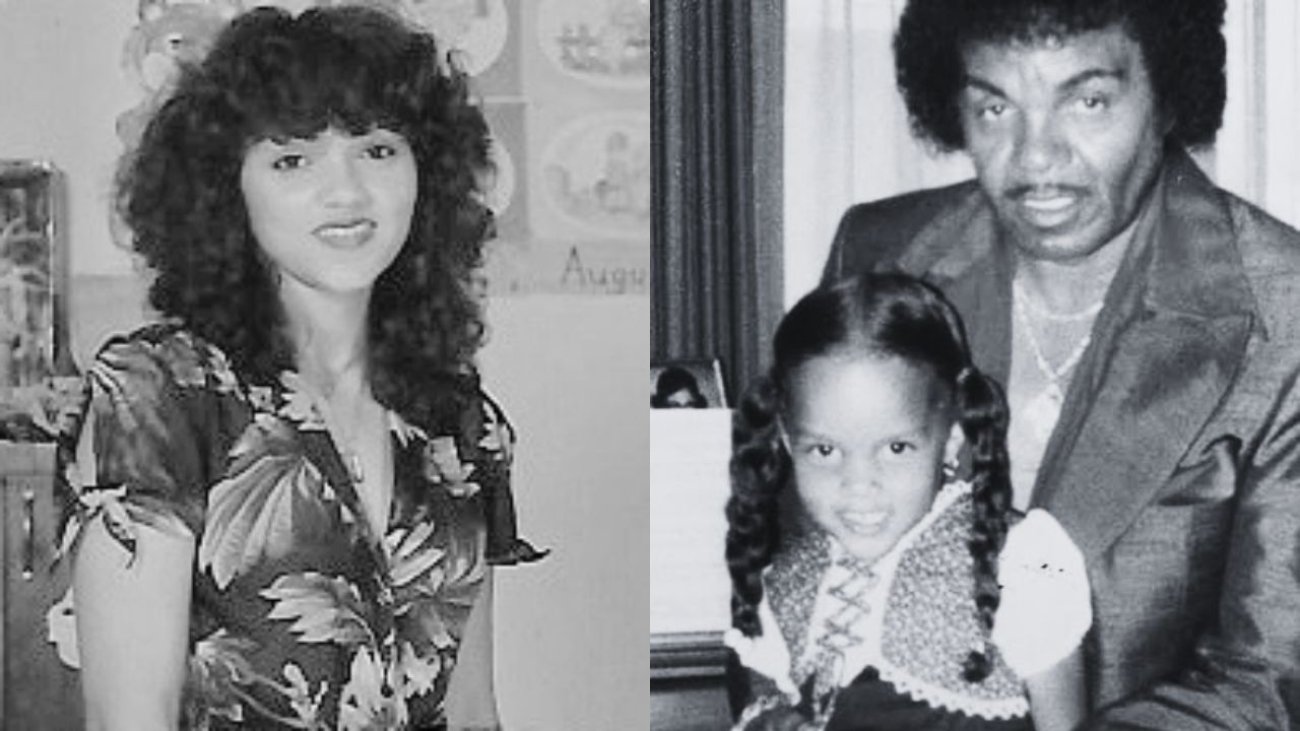
Cheryle Terrell

Cheryle Terrell: Joe Jackson’s Partner and Joh’Vonnie’s Mom

Most people searching for Cheryle Terrell are not looking for her specifically. They are trying to understand a quieter, lesser-known branch of the Jackson family — one that existed separately from one of the most famous households in music history.

This article covers what is publicly known about Cheryle Terrell, her reported relationship with Joe Jackson, the daughter they shared, and how that connection fits into the broader Jackson family story. Where details are uncertain or come from secondary sources, that is clearly noted.

Who Cheryle Terrell Was?

Cheryle Ann Terrell was a private individual. She is not a celebrity in her own right. Her name appears in public discussion almost entirely because of her long-term relationship with Joe Jackson and the daughter they had together, Joh’Vonnie Jackson.

Genealogy-style records, including a profile on Geni, list a birth date of June 26, 1948, and a death date in 2014. However, these entries are user-submitted records rather than confirmed primary sources such as an official obituary. The dates should be treated as reported, not verified.

Some secondary sources, including a fan-maintained wiki for the Jackson family, describe her occupation as a secretary. That detail has not been confirmed by a stronger biographical source, so it is worth noting as unverified background information rather than established fact.

Beyond these limited details, very little confirmed public information exists about Terrell’s personal life, background, or experiences. Her public profile is narrow and defined almost entirely by her family connection.

Her Relationship With Joe Jackson

Joe Jackson — full name Joseph Walter Jackson — was the patriarch of the Jackson family and the manager who shaped the careers of his children, including the Jackson 5 and Michael Jackson. He was married to Katherine Jackson, and that marriage remained legally intact throughout his life.

Reports from multiple secondary sources describe Joe Jackson and Cheryle Terrell as having a long-term relationship that began in the early 1970s. Some accounts put the reported length of the relationship at approximately 25 years. Those figures come from secondary reporting and have not been independently confirmed with documented start and end dates.

The relationship took place while Joe Jackson was still married to Katherine Jackson. Terrell should not be described as Joe Jackson’s wife. Available sources characterize the relationship as extramarital. Katherine Jackson remained his legal spouse.

The relationship was not widely known during the Jackson family’s peak years of fame. It existed outside the public image the family projected during that period.

Joh’Vonnie Jackson — The Daughter They Shared

The most significant public connection between Cheryle Terrell and the Jackson family runs through their daughter, Joh’Vonnie Jackson.

According to multiple secondary accounts, Joh’Vonnie Jackson was born in 1974. She is the daughter of Joe Jackson and Cheryle Terrell. That makes her a paternal half-sister of Michael Jackson, Janet Jackson, and Joe and Katherine Jackson’s other children. She is not a full sibling — she and Michael Jackson share the same father but have different mothers.

Joh’Vonnie grew up separately from the main Jackson household. She was not raised alongside the siblings who became famous through the Jackson 5 and their individual careers. This separation from the well-known family unit shaped her experience in ways she has spoken about publicly.

Joh’Vonnie has given interviews over the years describing her childhood, her father’s role in her life, and what it was like to grow up outside the spotlight that followed the rest of the family. Her own public statements are the most reliable first-person source available for understanding this part of the story. According to reporting from The Sun, she described being raised by Joe Jackson and Terrell outside the main Jackson household, and she discussed her complicated relationship with that family dynamic.

Her existence was not part of the public-facing image of the Jackson family for many years. That background is a large reason why searches for Terrell and Joh’Vonnie tend to rise whenever interest in the broader Jackson family story increases.

How Cheryle Terrell Connects to Michael Jackson?

This is one of the most common questions people have when they search for Cheryle Terrell, so it is worth answering clearly.

Cheryle Terrell had no direct personal relationship with Michael Jackson. She was not his mother, his wife, or a figure in his personal life.

The connection runs entirely through Joe Jackson. Terrell was the mother of Joh’Vonnie Jackson. Joh’Vonnie and Michael Jackson share the same father — Joe Jackson. That makes Joh’Vonnie Michael Jackson’s paternal half-sister, and it places Terrell within the broader Jackson family story as the mother of that half-sibling.

Michael’s mother is Katherine Jackson. Joh’Vonnie’s mother is Cheryle Terrell. The two women are not related to each other. They are connected only through Joe Jackson.

Some media outlets have used phrases like “secret sister” when writing about Joh’Vonnie’s relationship to Michael Jackson. That phrasing comes from tabloid-style coverage and reflects the fact that Joh’Vonnie’s existence was not publicly known for a long time. It is a media label, not a term the family necessarily uses to describe themselves.

What the Jackson Family Structure Looked Like?

To understand where Terrell fits, it helps to understand the family structure clearly.

  • Joe Jackson and Katherine Jackson married and had ten children together, including Jackie, Tito, Jermaine, Marlon, Michael, Randy, Rebbie, La Toya, Janet, and a son who died in infancy.
  • Joe Jackson and Cheryle Terrell had one daughter together — Joh’Vonnie Jackson, born in 1974 according to secondary accounts.
  • Joh’Vonnie is a paternal half-sibling to all of Joe and Katherine’s children.
  • Cheryle Terrell and Katherine Jackson are not related and did not share a family unit.

This separate branch of the family existed quietly alongside the famous one. Joh’Vonnie’s childhood was spent outside the environment that produced some of the most recognized musicians of the twentieth century.

Why So Little Is Publicly Known About Terrell?

Cheryle Terrell was not a public figure. She did not pursue media attention, and the relationship she was part of was kept out of the public eye during the years when the Jackson family was at the height of its fame.

The information that does exist about her comes from a small number of sources: genealogy records, a fan-maintained wiki, and secondary media reports that draw on Joh’Vonnie’s own interviews. None of these are primary biographical sources in the way that an official obituary, a documented interview, or an archival record would be.

That means some details — including the birth and death dates listed online, and her reported occupation — should be read with appropriate caution. They may be accurate, but they have not been independently confirmed through official records available to the public.

For readers curious about how celebrity family histories are researched and reported, resources like Daily Business Base cover broader topics around public figures and the information available about them.

A Quiet Role in a Very Public Family Story

Cheryle Terrell occupied an unusual position. She was connected to one of the most famous families in entertainment history, but she was not a part of that world in any visible way.

Her significance in the public record comes almost entirely from being the mother of Joh’Vonnie Jackson — a woman who has since spoken openly about growing up as Joe Jackson’s daughter outside of his more famous household.

Joe Jackson died in June 2018. Katherine Jackson remained publicly active within the family. Joh’Vonnie Jackson has continued to give occasional interviews about her experience as part of this extended family.

Cheryle Terrell, according to secondary genealogy records, died in 2014 — before Joe Jackson’s death and before much of the renewed public interest in the Jackson family’s full history. That timing means she left no known recent interviews or public statements behind.

What remains is a limited but coherent picture: a private woman, a long reported relationship with a very public man, and a daughter who has become the clearest window into that part of the Jackson family story.

Read Also: 

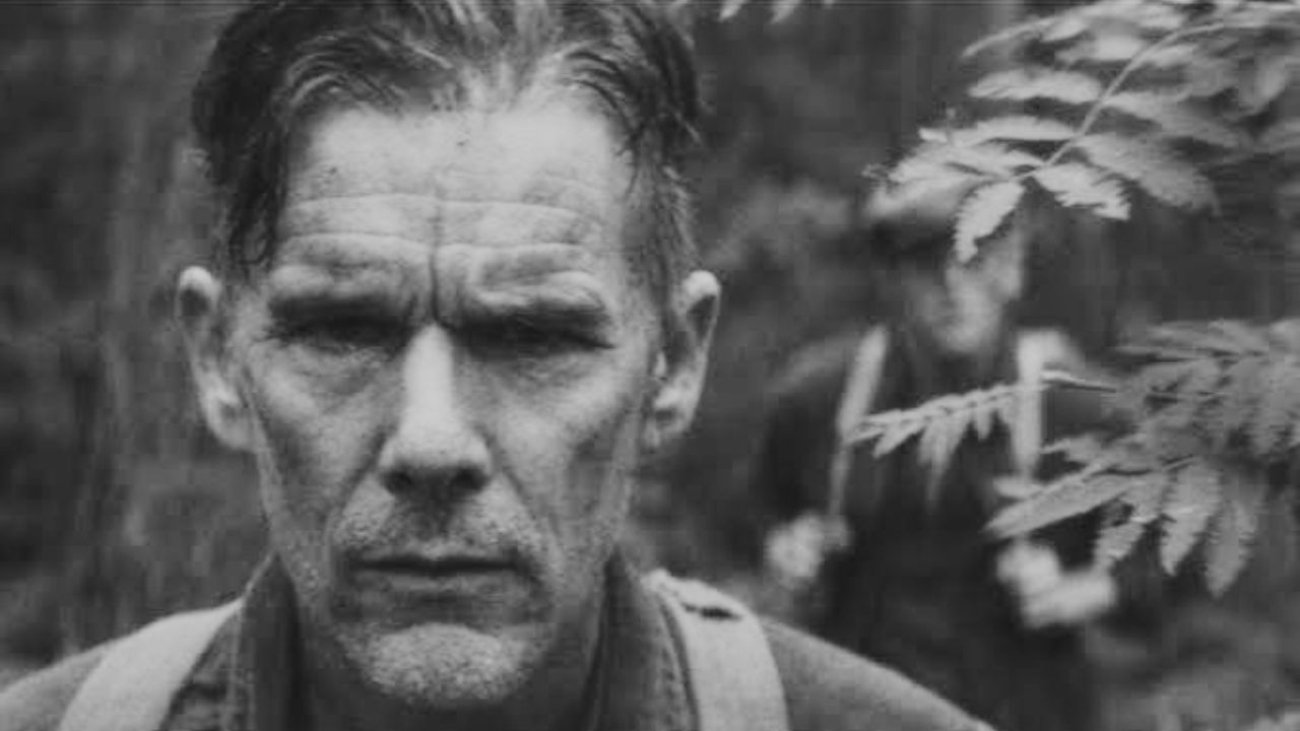
Samuel Hawke

Samuel Hawke: What Genealogy Records Actually Reveal

The name Samuel Hawke appears across multiple genealogy databases, parish records, and family trees. But it does not belong to just one person — and that distinction matters a great deal if you are trying to trace a specific family line or confirm a connection to a public figure.

This article looks at who the documented Samuel Hawkes actually were, where they lived, what records exist about their families, and how to responsibly identify which one you are researching.

More Than One Samuel Hawke Exists in the Historical Record

This is the first and most important thing to understand: Samuel Hawke is not a single historical figure. It is a name shared by multiple distinct individuals across different time periods and locations.

Genealogy databases, including WikiTree, list at least three separate individuals with this name. One was born around 1750, another around 1778, and a third on January 10, 1825. On top of that, a separate American record documents a Samuel A. Hawke in a 1910 Massachusetts census — a completely different household in Malden, Middlesex County.

These are not automatically the same person or part of the same family line. Treating any one record as the definitive Samuel Hawke without cross-referencing the details is one of the most common mistakes in genealogy research.

Think of it like finding a puzzle piece. One piece might look like it fits, but you need several matching pieces before the picture becomes reliable.

The Cornwall Connections — Dates, Parishes, and Locations

The most well-documented thread runs through Cornwall, England. Several Samuel Hawke records cluster around Cornish communities, including St Germans, Lewannick, and St Austell. Cornwall had a dense network of Hawke families, which explains why the same name keeps appearing across different parishes and decades.

The most precisely documented individual is Samuel Hawke, born January 10, 1825, in Lewannick, Cornwall. According to WikiTree, he died on September 26, 1884. That gives researchers a fairly specific anchor point to work from.

Earlier records in St Germans reference Samuel Hawkes baptized around 1750 and 1778. These are almost certainly separate individuals from different generations — not the same person as the 1825 Lewannick birth. Just because names and locations are similar does not mean the records belong to the same family.

RootsWeb’s Hawke of St Austell pages provide additional baptism, marriage, and family entries. However, those pages are user-maintained, which means the information should always be checked against original parish or civil records before being treated as confirmed fact.

Why Cornwall Matters Here

Cornwall’s Hawke families were concentrated enough that the same names repeated across generations and parishes. That is actually what makes research harder, not easier. A name appearing twice in the same county does not mean those two people were related. You need dates, spouses, and children to make that connection credibly.

Known Marriage Records and Family Relationships

One specific marriage record links a Samuel Hawke to Elizabeth Ann Endacott. That entry appears in the England and Wales civil registration marriage index from 1879, as cited in Ancestral Trails genealogy records. It is one of the more concrete data points available.

Other genealogy entries mention spouses named Lydia Miller and Elizabeth Grigg. However, these names are associated with different Samuel Hawkes — not the same individual. User-contributed family trees sometimes merge these entries incorrectly, which is exactly the kind of error that can send a researcher down the wrong path.

If you are reviewing any Samuel Hawke family tree online, the most important step is confirming which spouse matches which birth year and location. A Samuel Hawke born in 1778 should not share a marriage record with a Samuel Hawke born in 1825.

It sounds obvious when stated plainly, but merged records on public genealogy platforms happen more often than most people expect. Always look at the underlying source documents, not just the compiled family tree entry.

The Possible Celebrity Connection — What the Evidence Does and Does Not Show

This is where things get interesting — and where careful wording becomes especially important.

A MyHeritage celebrity family site appears in search results connected to Samuel Hawke. That suggests a possible link between a Samuel Hawke and a public figure’s family tree. However, the publicly available portion of that page does not clearly name the celebrity or explicitly identify which Samuel Hawke is listed as a relative or ancestor.

In other words, a connection may exist — but it cannot be stated as established fact based on what is currently visible to the public.

Why User-Submitted Trees Are Not Proof

Platforms like MyHeritage allow users to build and share family trees. Those trees can contain genuine, well-researched information. They can also contain errors, duplications, or unverified connections that no one has caught yet.

A celebrity connection becomes credible only when both the famous person and Samuel Hawke are named in the same verified source — or when independent records, such as a parish baptism, a census entry, and a marriage record, all point to the same family line.

Until that kind of triangulation is possible with publicly available documents, any claimed link between Samuel Hawke and a specific celebrity should be treated as unconfirmed.

How to Distinguish Between Samuel Hawkes — A Practical Guide

If you are actively researching a Samuel Hawke, here is a straightforward approach to avoid the most common mistakes.

  • Start with four identifiers: birthplace, approximate birth year, spouse name, and children’s names. These four details together are far more reliable than a name alone.
  • Do not assume “close” means “same.” A Samuel Hawke born in St Germans in 1778 and a Samuel Hawke born in Lewannick in 1825 are almost certainly different people, even though both lived in Cornwall.
  • Check for alternate spellings and initials. “Samuel A. Hawke” and “Samuel Hawke” should not be treated as the same person without corroborating records.
  • Look for original source documents. Parish records, civil registration indexes, and census entries carry more weight than compiled family tree entries on user-maintained platforms.
  • Triangulate where possible. A match becomes much stronger when a baptism record, a marriage index entry, and a census listing all point to the same person in the same location.

These steps apply whether you are researching for personal family history or trying to verify whether a specific Samuel Hawke has a documented connection to a well-known figure.

What the American Record Tells Us

The 1910 U.S. census entry for Samuel A. Hawke in Malden, Middlesex County, Massachusetts is worth noting separately. This is a distinct record from the Cornish entries, and it reflects what was a common pattern in the 19th and early 20th centuries — Cornish families emigrating to the United States, particularly to industrial areas of New England.

Whether this Samuel A. Hawke is related to any of the Cornish Samuel Hawkes is not established by the available records. The shared surname and time period are suggestive, but they are not proof of a family connection.

If you are researching this specific individual, the census record would be a starting point — not a conclusion. Marriage records, immigration records, and earlier census entries would all help build a more reliable picture.

For readers who want broader context on how genealogy research intersects with public records and family history, Daily Business Base covers topics that touch on research, records, and well-documented personal histories.

Final Thoughts

Samuel Hawke is a name with a genuine historical footprint — but it belongs to more than one person, spread across different parishes, decades, and continents. The records that exist are real and worth exploring. They just require careful handling.

The most documented individual remains Samuel Hawke, born January 10, 1825, in Lewannick, Cornwall, who died in September 1884. The earlier St Germans records point to separate people from earlier generations. The Massachusetts census entry is a different thread entirely.

As for a celebrity connection — the possibility exists, based on what appears in search results. But possibility is not confirmation. That link would need a clear, independently verifiable source naming both parties before it can be stated as fact.

Good genealogy research is patient work. It asks you to follow the records rather than the narrative, and to say “this is what I know” clearly separate from “this is what I am still checking.”

Read Also: 

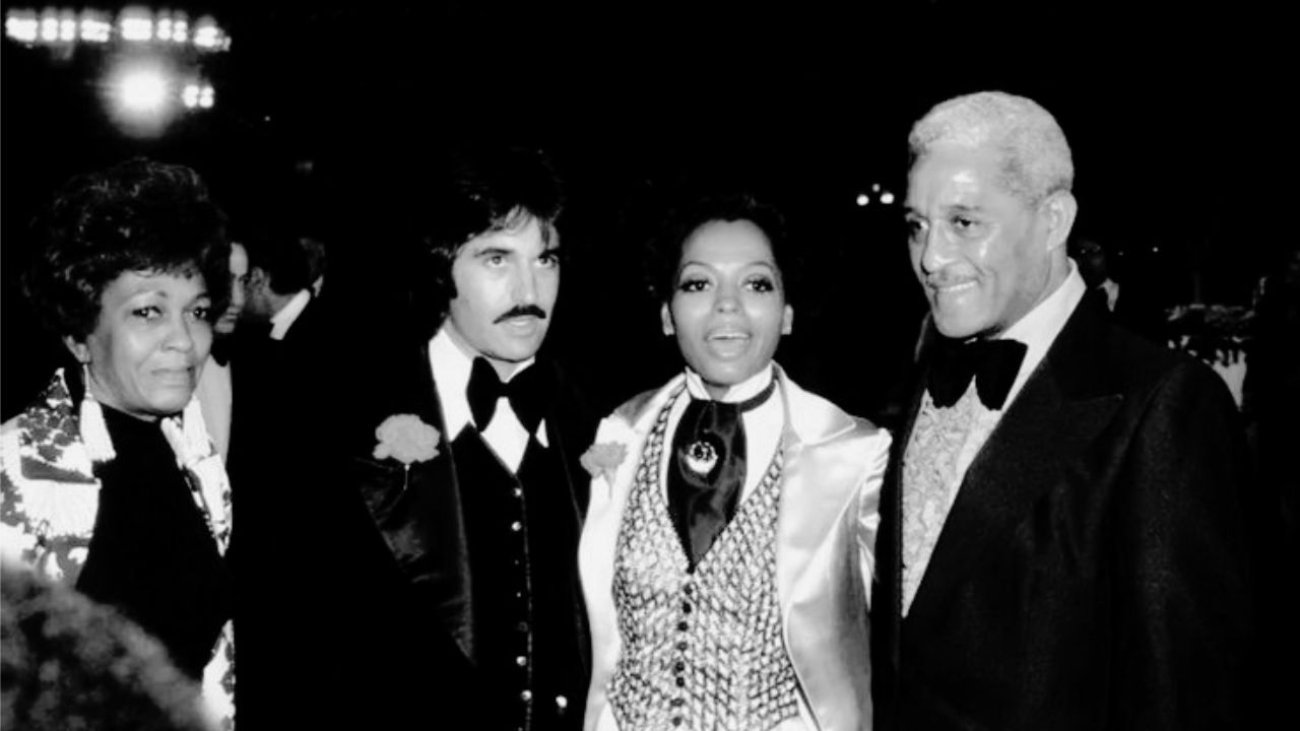
Ernestine Moten

Ernestine Moten: Diana Ross’s Mother and Her Legacy

Most people know Diana Ross as the voice behind the Supremes and one of the most recognized names in American popular music. But far fewer know anything about the woman who raised her.

Ernestine Moten was Diana Ross’s mother. She was not a public figure or entertainer. She lived a private life, and the information available about her is limited. Still, her name comes up regularly in genealogy research and celebrity family profiles — mostly because of who her daughter became.

This article covers what public records and genealogy sources report about Ernestine Moten: her background, her family, her connection to Diana Ross and Tracee Ellis Ross, and why reliable details about her life are hard to come by.

Who Ernestine Moten Was

Ernestine Moten is publicly identified as the mother of singer Diana Ross. That is the main reason her name appears in any public record or online profile.

She was not a celebrity, a performer, or a public figure in her own right. She did not have a career that brought her into the spotlight. The interest in her comes almost entirely from her family connection.

Genealogy sources record her name in a few different forms. You may see her listed as Ernestine Moten, Ernestine Lillian Moten, or Ernestine Moten Ross. These name variations likely refer to the same person, but it is worth noting the difference rather than assuming they are identical without comparing dates, locations, and family details.

Sites such as GenealogyMagazine and IMDb identify her as Diana Ross’s mother. FamilySearch and EthniCelebs use the longer form, Ernestine Lillian Moten. These are secondary genealogy sources, not official civil records, so they should be read with that in mind.

Her Reported Birth and Alabama Roots

According to genealogy sources, Ernestine Moten was born on January 27, 1916, in Allenville, Hale County, Alabama. This date appears in multiple secondary sources, including GenealogyMagazine.

It is worth being clear about what that means. This date has not been independently verified against a primary birth certificate or official civil record. It should be treated as reported, not confirmed.

Her parents are identified as William Moten — also recorded as M. William Moten — and Isabella “Bell” Caldwell. William Moten is described as a farmer who later became a preacher. Genealogy material suggests the Moten family was large, with around 12 children.

Spelling variations in surnames like Moten, Caldwell, and related names are common in older genealogy records. These variations do not necessarily point to different individuals. They often reflect how names were recorded by census takers or clerks at the time.

EthniCelebs, a celebrity genealogy site, also references Ernestine’s Alabama ancestry. As with GenealogyMagazine, this is a secondary source, so the Alabama detail is consistent across multiple reports but should not be treated as independently verified.

Her Marriage and the Ross Family

Ernestine married Fred Earl Ross Sr., who is consistently identified in biographical and genealogy material as Diana Ross’s father.

The family settled in Detroit, Michigan, which became the setting for Diana Ross’s childhood and her eventual rise in the music industry. Detroit was a destination for many Black families from the American South during the mid-twentieth century. That broader migration shaped the city’s culture and, eventually, helped create the conditions from which the Motown sound grew.

Among the children Ernestine and Fred Ross had together was Arthur Ross, a detail supported by a FamilySearch profile for Arthur Ross that lists Ernestine Lillian Moten as his mother and Fred Earl Ross as his father. Diana Ross is the most publicly known of their children.

A full sibling list is not included here because not every name is supported by a clearly reliable record. Presenting an incomplete list as definitive would not be accurate.

Her Connection to Diana Ross and Tracee Ellis Ross

Diana Ross was born in Detroit in 1944. She became internationally known as the lead singer of the Supremes, one of the most successful groups in Motown history. She later built a major solo career and became one of the most recognizable figures in American popular music.

Ernestine Moten’s place in the public record is as Diana’s mother — part of the family background that shaped a future star. That is a quiet but real role. She raised her children in Detroit during a period when the city was growing rapidly and its music scene was beginning to take shape.

Genealogy-oriented sources also identify Ernestine as the maternal grandmother of Tracee Ellis Ross, the actress and producer best known for her television work, including her lead role in the sitcom Black-ish.

That gives us a clear three-generation line: Ernestine Moten was Diana Ross’s mother, and Diana Ross is Tracee Ellis Ross’s mother. Ernestine is Tracee’s maternal grandmother. This generational picture answers the most common reason people search for Ernestine’s name.

It also places Ernestine at the beginning of a family that has produced significant talent across two generations of entertainment. That is worth noting — but it should be kept in perspective. There is no documented evidence that Ernestine managed, directed, or was professionally involved in Diana’s career. Her role was as a parent, not a manager or industry figure.

Her Reported Death

GenealogyMagazine reports that Ernestine Moten died in October 1984 in Southfield, a city near Detroit. Some secondary sources narrow that to October 9, 1984, but this specific date should not be treated as definitive.

No primary obituary, death certificate, or archival record has been cited to confirm the exact date. The October 1984 timeframe in Southfield appears consistently enough across sources to be worth noting, but readers doing serious genealogy research should look for a primary record to verify it.

Why So Little Information Exists

This is a fair and common question. The honest answer is simple: Ernestine Moten was a private person.

She did not perform, give interviews, or appear in public life. She was not documented the way public figures are. The records that do exist — genealogy profiles, family-tree entries, celebrity biography pages — are mostly secondary. They pass along details but do not always trace those details back to a verified original source.

This is completely normal for a non-famous parent of a celebrity. The gap in the record does not need to be filled with assumptions about her personality, her daily life, her education, or her private circumstances. It simply means that the full picture of her life is not publicly available.

If you are researching Ernestine Moten specifically, resources like FamilySearch, MyHeritage, and Ancestry offer record categories — birth records, census data, marriage records, death records — that could potentially help verify dates and relationships that secondary sources report. Comparing those records carefully, including checking name spellings and dates, is the most reliable approach.

For those interested in the broader world of celebrity family history and genealogy research, Daily Business Base covers a range of topics that connect public figures to the people and stories behind them.

Reading Name Variations in the Record

One practical issue that comes up in researching Ernestine Moten is the variation in how her name is recorded.

A reader might find “Ernestine Moten” in one source and “Ernestine Lillian Moten Ross” in another. These likely refer to the same person, but the right approach is to compare the details — reported birth date, birthplace, spouse, and children — before treating both entries as the same individual.

The same logic applies to her parents’ surnames. Moten, Caldwell, and related names appear in slightly different forms across older records. This was common in the early twentieth century, particularly in rural Southern states, where names were often written down by someone who was spelling phonetically or working from memory.

These variations are clues, not contradictions. They point toward how records from this era need to be read carefully and compared rather than taken at face value.

A Private Life Behind a Public Name

Ernestine Moten lived far from the spotlight that her daughter spent decades in. She grew up in rural Alabama, moved north to Detroit as part of a generation of families seeking new opportunity, raised her children, and lived quietly in the Detroit area until her reported death in 1984.

The public record about her is thin. But what it does show is the foundation behind one of the most celebrated careers in American music history. Ernestine Moten was Diana Ross’s mother, and that connection — three generations deep, stretching from Hale County, Alabama, to the stages of Motown and beyond — is the reason her name still appears in searches today.

She deserves to be described accurately, with the information that actually exists, rather than surrounded by claims the record cannot support. That is the most honest way to tell her story.

Read Also: 

Amos Mefford Hanks

Amos Mefford Hanks: Tom Hanks’s Father and Family History

Most people who search for Amos Mefford Hanks are trying to answer one simple question — who was Tom Hanks’s father? The answer is documented, but the details are limited. Several genealogy sources also disagree on basic facts, which can make the picture feel murkier than it needs to be.

This article covers what is publicly confirmed about Amos Mefford Hanks: his vital records, his occupation, his family, and how he fits into the broader interest in Tom Hanks‘s ancestry. Where sources conflict, that will be flagged clearly. Where information is simply unavailable, that will be stated honestly too.

Who Was Amos Mefford Hanks?

Amos Mefford Hanks was the father of actor Thomas Jeffrey Hanks, known professionally as Tom Hanks. That is the reason his name appears in search engines and genealogy databases at all. He was not a public figure in his own right, and he left no significant footprint in public records beyond what family history researchers have compiled over the years.

Genealogy sources identify his parents as Ernest Buel Hanks and Gladys Hilda Ball. His wife was Janet Marylyn Frager, who is listed in both American Ancestors and FamousKin records as Tom Hanks’s mother.

It is worth being realistic about how much can actually be known here. Amos was a private individual. What survives in the public record is largely the result of researchers building family trees around his famous son, not because Amos himself sought attention or held any public role.

Birth, Death, and the Genealogy Date Discrepancy

Most genealogy sources report Amos Mefford Hanks’s birth as March 9, 1924, in Glenn County, California. At least one source — the WARGS ancestry database — lists the date as March 4, 1924. The discrepancy is small, but it is worth noting.

This kind of disagreement is common in compiled genealogy records. Secondary sources often pull from earlier secondary sources, and small errors can travel through a chain of family trees without anyone catching them. It does not suggest anything suspicious — it simply reflects the limits of relying on aggregated data.

His death is consistently reported across sources as January 31, 1992, in Alameda, California. Both WARGS and FamousKin agree on this detail, which gives it slightly more confidence than the birth date.

If you need precision — for a formal genealogy project, legal matter, or academic purpose — the right move is to consult original civil records rather than online family-tree aggregators.

His Occupation and Family Life

Genealogy records describe Amos Mefford Hanks’s occupation as a restaurant cook. This detail appears in a historical genealogy bulletin from the Azores GeneWeb archive. It lines up with how Tom Hanks himself has described his father in biographical accounts — as an itinerant cook, someone who moved around for work.

That working pattern helps explain why Tom Hanks’s childhood involved significant movement and changes in living arrangements. It is a documented part of the actor’s early biography, not speculation.

Amos and Janet Marylyn Frager married and had four children together, according to genealogy summaries. Tom Hanks was one of those four. Amos and Janet later divorced, which shaped how Tom Hanks’s childhood unfolded, as noted in standard biographical accounts of the actor’s early life.

Beyond these confirmed details, the private specifics of Amos’s family life are not well documented in public sources. Sibling details, household specifics, and other personal information fall into that gap — absent from reliable records and therefore outside the scope of what this article can responsibly present.

The Hanks Family’s Paternal Ancestry

For readers interested in the broader Hanks family line, genealogy research traces Tom Hanks’s paternal ancestry through families associated with Kentucky, Missouri, and California. Sources like Select Surnames and WARGS provide this general narrative, placing the Hanks line on a westward migration path across American history.

Some genealogy narratives extend the Hanks line further back to colonial-era Virginia. These longer-range claims appear in compiled family trees and lineage charts, but they should be understood as genealogical interpretations rather than settled fact. Long-range lineage claims are only as reliable as the original records backing them up — and with family trees built by volunteers across many decades, that reliability varies considerably.

Amos’s middle name, Mefford, connects directly to a broader surname found in his family’s ancestry. It is not a coincidence or an unusual choice — it reflects a naming tradition common in American families, where a mother’s maiden name or a family surname gets carried forward as a middle name.

American Ancestors places Amos in Tom Hanks’s paternal ancestor chart, confirming the direct line. But as with all secondary genealogy sources, these charts are a useful starting point for research — not the final word.

The Mefford Name and Tom Hanks’s Connection to Fred Rogers

The surname Mefford carries an interesting footnote in Tom Hanks’s public story. In 2019, Hanks discovered through Ancestry.com that he and beloved television host Fred Rogers — best known as Mister Rogers — were sixth cousins. Both are reportedly descended from a common ancestor named Johannes Meffert, a German immigrant whose surname gradually became “Mefford” after his family settled in America.

Tom Hanks had previously played Fred Rogers in the 2019 film A Beautiful Day in the Neighborhood, which made the real-life family connection a widely shared story at the time. It brought renewed public attention to the Mefford surname and its place in the Hanks family history.

This is worth mentioning in any article about Amos Mefford Hanks because it explains why the Mefford name attracts genealogy searches in the first place. However, it should not be overstated. The documented connection is between Tom Hanks and Fred Rogers through a shared distant ancestor — it does not mean that every person named Mefford in an online tree is part of the same verified line, nor that Amos personally had any connection to Fred Rogers.

For those researching this area of celebrity genealogy, resources like Daily Business Base cover a range of public-interest topics that include family history and cultural background stories.

How Reliable Are the Online Sources About Amos Hanks?

This is one of the most practical questions a reader can ask, and it deserves a direct answer.

The sources most frequently cited in connection with Amos Mefford Hanks — WARGS, FamousKin, Scribd family trees, and surname databases — are all secondary or user-compiled sources. They are useful as leads and starting points. They are not equivalent to official vital records, census documents, obituaries, or Social Security death filings.

The birth date discrepancy between March 4 and March 9 is a small but instructive example of how these sources can diverge. When two credible genealogy sites disagree on a detail as basic as a birth date, it is a reminder that the data has passed through multiple hands and may reflect transcription errors or differing source documents.

None of this means the online records are worthless. It means they should be used carefully, cross-referenced where possible, and treated as a map rather than a verdict.

Final Thoughts

Amos Mefford Hanks lived a private life. He worked as a cook, raised children in California, and died in Alameda in 1992. His name is remembered today almost entirely because his son became one of the most recognized actors in the world.

What genealogy records confirm is modest but clear: his birth in Glenn County, California, around 1924; his marriage to Janet Marylyn Frager; their four children, including Tom Hanks; and his death on January 31, 1992. His middle name, Mefford, connects to a family ancestry line that eventually links — at a considerable distance — to Fred Rogers.

Beyond that, the honest answer is that much about Amos Mefford Hanks remains undocumented in any publicly available source. That is not unusual for a private individual from his era. It simply means that responsible genealogy research should distinguish between what the records actually show and what family trees have speculated or assumed over time.

Read Also: 

Doris Rowland Garrison

Doris Rowland Garrison: Kelly Rowland’s Mother

When people search for Kelly Rowland, another name often comes up alongside hers — Doris Rowland Garrison. She was not a celebrity. She did not perform on stage or appear in music videos. But her role as Kelly’s mother made her a part of the public record, and Kelly herself has made sure of that through interviews and public tributes over the years.

This article covers who Garrison was, how she raised Kelly, her connection to the Knowles family story, and the confirmed facts around her death in 2014. Where public information is limited, this article says so rather than filling gaps with guesswork.

Who Doris Rowland Garrison Was?

Doris Rowland Garrison was the mother of singer Kelly Rowland and Kelly’s older brother, Orlando Rowland. Beyond those family relationships, confirmed biographical detail about her life is limited.

She was a private person. She did not seek public attention, and no major source places her in a professional or public-facing role. Her name appears in celebrity searches primarily because Kelly has spoken about her openly in interviews and dedicated public statements to her memory.

It is worth being straightforward about this: articles that claim to know her occupation, exact birth date, or personal history in detail are likely pulling from unverified genealogy databases or making assumptions. The confirmed facts are about her family role, not her private biography.

How Garrison Raised Kelly Rowland

Kelly Rowland was born in 1981. When Kelly was around seven years old, Garrison separated from Kelly’s biological father, Christopher Lovett. After that separation, Garrison was the parent who remained consistently present throughout Kelly’s childhood.

Kelly has described her mother in interviews as nurturing, loving, and deeply Christian. She has also been honest that the relationship was sometimes difficult and argumentative. That is a real and recognizable description of a close parent-child bond — not a troubled one, just an honest one.

One of the clearest examples of Garrison’s involvement in Kelly’s early life was her support for music. She enrolled Kelly in choir, took her to rehearsals, and attended her performances. That kind of consistent, practical support during childhood matters. It does not mean Garrison managed Kelly’s career or had any formal role in the music industry — she did not. But her encouragement gave Kelly documented early roots in performance.

Kelly Rowland, the Knowles Family, and What That Connection Means

During Kelly’s adolescence, she became closely connected to the Knowles family — Beyoncé, Solange, and their mother Tina Knowles. Tina Knowles has said publicly that Kelly came to live with the family around age 11 and was treated as another daughter in the household.

This is sometimes misread. Tina Knowles was not Kelly’s biological mother, and she was not her adoptive mother. The relationship was a close, chosen-family connection — real and meaningful, but different from those legal or biological labels.

Garrison’s role as Kelly’s primary parent does not disappear from this picture. The two family contexts existed at the same time. Kelly had a mother who raised her and loved her, and she also grew up as part of the Knowles household. Both things are true.

This kind of arrangement is not unusual, especially in communities where extended family and close family friends share child-rearing responsibilities. It does not erase one parent’s role or inflate another person’s role beyond what it actually was.

Garrison’s Death in December 2014

Doris Rowland Garrison died in Atlanta on December 2, 2014. She was 66 years old, shortly before what would have been her 67th birthday. Her son Orlando and her daughter Kelly survived her.

Reports at the time described her death as following cardiac arrest. Some later coverage referenced heart failure. These are distinct medical descriptions, and the sources use different language. Rather than combining them into a single claim, it is more accurate to say that different reports used different terms, and the confirmed fact is that she died in December 2014 at 66.

After her death, Kelly Rowland issued a public statement. She described her mother as an “incredible soul” and credited her with making sacrifices that shaped who Kelly had become. It was a simple and direct tribute — not a carefully worded PR statement, but something personal.

Kelly later spoke about the grief that followed, including the lasting emotional weight of losing her mother. Those conversations came up in interviews years after 2014, which is one reason Garrison’s name continues to appear in searches tied to Kelly’s life story.

The Brief Time Garrison Spent as a Grandmother

The timing of Garrison’s death carries its own quiet significance. Kelly Rowland and her husband, Tim Weatherspoon, welcomed their son Titan Jewell Weatherspoon in November 2014. Garrison died roughly one month later, in December of that same year.

That means she had only a short time as a grandmother before she passed. There is no established medical connection between the two events — Kelly’s childbirth and Garrison’s death are separate. But the timing has understandably made this period of Kelly’s life one she has described with mixed emotions: the joy of becoming a mother alongside the grief of losing her own.

For readers following Kelly Rowland’s personal story, this moment is part of why Garrison is remembered not just as a background figure but as someone whose absence left a real mark.

Kelly’s Later Reunion With Her Biological Father

In 2018, Kelly Rowland publicly shared that she had reunited with her biological father, Christopher Lovett, after more than 30 years apart. The reunion came several years after Garrison’s death.

This detail is relevant because it helps explain why Garrison is often central to discussions of Kelly’s family history. During the decades when Kelly had little or no contact with Lovett, Garrison was the parent who was there. The reunion with her father was significant, but it did not rewrite what happened before it.

Garrison’s place in Kelly’s story is tied directly to that long stretch of time — from Kelly’s early childhood through her rise in Destiny’s Child and beyond — when she was the consistent parental presence in Kelly’s life.

What Is Actually Known — and What Is Not?

It helps to be clear about the limits of the public record here. The Los Angeles Times and CBS News both confirmed Garrison’s identity, her death date and location, her age, and her surviving children. Marie Claire Australia covered Kelly’s own descriptions of her mother’s parenting style and involvement in music activities. Us Magazine reported Tina Knowles’s statements about Kelly’s time in the Knowles household.

What those sources do not provide is a detailed biography of Garrison’s private life — her employment, education, exact birth date, or personal history outside her family. Sites that offer those details without citing a verifiable primary source should be treated with caution. Genealogy databases can be a useful starting point, but they are not the same as confirmed biographical records.

For readers interested in the full context of Kelly Rowland’s career and family background, Daily Business Base covers celebrity profiles and public figures with a focus on verified information rather than speculation.

A Private Person Who Shaped a Public Life

Doris Rowland Garrison was never famous. She did not record music, give interviews, or appear on television. But she raised a child who did all of those things, and she did it largely on her own after her separation from Kelly’s father.

She enrolled her daughter in choir. She showed up to rehearsals. She was described by her own daughter as nurturing and loving, even when their relationship was hard. And when she died at 66, she had just become a grandmother — a role she held for only a matter of weeks.

That is what is known about Doris Rowland Garrison. It is not a story full of glamour or drama. It is the story of a parent who stayed, supported her child, and left a lasting impression — one that Kelly Rowland has made clear she carries with her still.

Read Also: 

Viviane Elisa Maria Clarin

Viviane Elisa Maria Clarin: Her Journey & Achievements

Ever wondered what happens when you’re born into the spotlight but choose a different path? Meet Viviane Elisa Maria Clarin, a captivating figure with a story full of delightful surprises. Known primarily as the daughter of the famous acting duo, Irene Clarin and Lambert Hamel, Viviane is carving out her own exciting journey. But wait—there’s more to her than her family name. She’s not just living in the shadow of her parents’ stardom; she’s shining brightly on her own. Let’s explore how!

Viviane Clarin has established herself as a brilliantly talented online editor and marketing maven at how2 AG. Her skills span the fields of writing, editing, and content production, setting her apart as an independent success. She’s a testament to breaking away and making a name for oneself in an entirely different arena. Intrigued? Let’s dive into her world, find out more about her illustrious family, her journey through academia, and the fascinating career she’s building.

Family Background

So, who exactly are Viviane Clarin’s famous folks? If you haven’t heard of Irene Clarin and Lambert Hamel, you’re in for a treat. This dynamic duo has lit up the stages and screens across Germany, bringing us countless memorable performances. And guess what? Viviane’s connection to these acting legends is only part of the story.

Let’s talk lineage. Viviane’s maternal grandfather is none other than Hans Clarin, yet another name etched in the annals of acting history. With such a shining example set before her by her parents and grandfather, you’d think acting was in her DNA. However, she’s taken a completely different road and pursued an intellectual quest in writing and marketing.

But here’s the thing. Having a lineage so rich with talent and recognition could easily be a tough shadow to step out of. Yet Viviane has done just that, crafting her narrative, where she isn’t just “the daughter of…” but “Viviane Clarin,” a formidable force in her own right. Isn’t that thrilling?

Educational Achievements

Okay, let’s geek out a little about education! Academic credentials can sometimes read like dry resumes, but Viviane Clarin’s educational journey is anything but ordinary. She packed her intellectual suitcase and embarked on an educational journey that’s nothing short of impressive.

She holds a Magister Artium from LMU Munich, one of Germany’s most prestigious universities. LMU has been the academic playground for many brilliant minds, and Viviane is officially part of their distinguished alumni network. Given the diverse opportunities there, it’s no wonder she’s flourished.

And wait—there’s more. For a dash of international spice, Viviane also spent time at the Sapienza Università di Roma. Imagine walking through the vibrant streets of Rome, soaking up the culture while diving deep into academic pursuits. It’s like living in an inspiring Italian movie while stocking up on knowledge for a lifetime. She lived that dream, gathering insights and experiences that have surely enriched her personal and professional narrative.

Professional Identity

Brace yourself, because Viviane Clarin’s professional identity is packed with creativity and expertise! For those who think marketing and editing are mundane, Viviane’s role as an online editor and marketing professional at how2 AG in Munich will prove you wrong. She thrives in an environment where ideas grow into stellar digital content.

Think of her as a digital wizard who crafts compelling narratives and creates engaging content that stands out in the crowded market landscape. She’s not just doing a job; she’s building a brand, her brand.

Plus, her resume doesn’t stop at editing. Viviane wears multiple professional hats like a pro. Whether it’s copywriting, ghostwriting, or content marketing, she’s got it covered. With her skills, she’s like a conductor orchestrating a symphony of digital storytelling. Doesn’t that sound exciting?

Writing and Content Production

Writing is more than putting pen to paper—or, in this digital age, fingers to keyboard. In Viviane’s world, it’s about creating magic behind the scenes. She’s not content with just participating; she’s contributing meaningfully to brilliant projects like “Auf den Spuren von Odysseus,” an animation project that aired on 3sat and SRF.

Viviane isn’t just writing; she’s crafting stories that captivate and engage audiences. It’s like she’s weaving words into art that paints mental pictures and delivers deep insights. Her work in content production goes beyond the superficial, creating pieces that resonate.

Want to know another cool fact? Viviane’s role often involves stepping into the shoes of different characters as a ghostwriter. Imagine the thrill of writing for various voices, spinning narratives that might never be attributed to you, yet carry your signature flair. It’s an exhilarating aspect of her career, isn’t it?

Public Image and Career Focus

Here’s a plot twist. While Viviane’s family occupies center stage, she’s perfectly happy in her preferred spot behind the scenes. Her career focus is on maintaining her role as a key player in the digital marketing realm, not turning the spotlight on herself as an actress.

Viviane’s resume might indicate a history heavily rooted in the performing arts, but the truth is, her stage is the digital arena. There’s no reliable evidence of a separate acting career for her—she’s building her own legacy through impactful content, well away from the glam of acting gigs.

It’s refreshing to see someone thrive passionately in their chosen field, don’t you think? Viviane knows exactly where she wants to be, and she’s proving that even the most unconventional routes can lead to exhilarating destinations.

Unverified Details

Now, let’s address that elephant in the room—there’s a bit of mystery surrounding Viviane Clarin that adds a dash of intrigue. We have no public records of her exact birth date or the place she was born. It’s almost like she’s wrapped in an enigma, reinforcing her choice to maintain privacy in a world thirsty for every detail.

Isn’t it fascinating how she manages to keep certain aspects of her life under wraps? One can’t help but speculate why some details remain obscured. Maybe it’s a deliberate choice, an effort to control what parts of her life stay personal. And in a world obsessed with oversharing, this restraint feels both commendable and intriguing.

Conclusion and Reflection

So here we are, at the end of our journey through the life and career of Viviane Clarin. What a ride, right? She’s no longer simply the daughter of movie stars or the granddaughter of a legendary actor. Viviane stands out with her own distinctive flair, from her academic achievements to her professional prowess in writing and content production.

She’s an inspiring reminder that you can create your path without relying on family legacies. Her dedication to her chosen career is a testament to her strength and individuality. And in case you’re curious to explore more fascinating stories, check out Daily Business Base for insights that might just catch your fancy.

Viviane Clarin is proof that when you follow your passion, you can shine just as brightly, if not brighter, away from the shadows of family fame. Here’s to Viviane, the dazzling storyteller of her own life!

Read Also: 

Ninna Priscilla Brando

Ninna Priscilla Brando: Unveiling a Private Mystery

Who is Ninna Priscilla Brando? Great question! For many, her name might not ring a bell, but that’s exactly what makes her story so fascinating. Imagine being the child of a world-famous actor yet choosing to fly under the radar. That’s Ninna for you—a mix of intrigue and mystique shrouded in privacy. Let’s embark on a journey to uncover what we know about this elusive figure.

Family Ties: The Legendary Marlon Brando

Picture this: Marlon Brando, a name that echoes throughout Hollywood, needs no introduction. Known for his mesmerizing performances and undeniable screen presence, his legacy is unshakeable. But, did you know, tucked away in this legacy is his connection to Ninna Priscilla Brando? Marlon, a titan in the acting world, had a relationship with Maria Cristina Ruiz, adding another layer to their fascinating story. Isn’t it intriguing how fame links, yet differentiates, members of the same family?

Birth and Background: Setting the Scene

May 13, 1989, might have been just another day for most, but for Ninna Priscilla Brando, it was the day she entered the world. Born to two individuals with such unique backgrounds, her entry added another chapter to their intertwined lives. While the intricate details of her early years remain tucked away, what we do know is that she grew up under the shadow of her father’s monumental fame. Just imagine the stories that those early years could tell!

Private Life: A World Away from the Spotlight

Let’s say, if given a choice between the glimmering lights of fame and the serene quiet of anonymity, you picked the latter. That’s Ninna’s choice, and it’s as intriguing as it is rare. Despite the colossal fame of her father, Ninna decided on a different path—a life away from the cameras and public scrutiny. It’s like she’s saying, “Thanks, but no thanks,” to the whirlwind of Hollywood fame. Can you imagine choosing privacy over the allure of stardom?

What We Know So Far: Verified Facts

Let’s break it down a little! Here’s what we’ve managed to confirm:

Full name: Ninna Priscilla Brando
Birth date: May 13, 1989
Parentage: Daughter of the legendary Marlon Brando and Maria Cristina Ruiz

Lifestyle: Prefers a quiet, private life, steering clear of the public eye

It’s almost like she’s living off a checklist titled: “How to be the opposite of famous.” Despite the swirl of curiosity surrounding her, she’s managed to keep these facts clear and distinct.

Limited Information: The Mystery Deepens

Here’s where it gets even more intriguing. When it comes to her education or career, the information is as scarce as a needle in a haystack. Her life choices, however, suggest someone who’s deliberately opted for a quiet life. It’s as if she’s masterfully played a game of hide-and-seek with fame, leaving us all wondering. Makes you think, doesn’t it?

– Details about her schooling? Mysterious.
– Her career path? Another unsolved puzzle.
– Current pursuits? Yet to be revealed.

You’ve probably noticed by now that the lack of information only adds to her allure. It makes her an intriguing figure in a world oversaturated with instant fame and incessant social media updates.

Understanding Ninna Priscilla Brando: A Conclusion

Finally, let’s wrap this up. Despite the clouds of mystery surrounding her, Ninna Priscilla Brando has etched out her own quiet legacy. Her life is like a whispered legend—told in hushed tones with gaps that only deepen the curiosity. In a world where privacy is a rare luxury, she’s made it her bedrock. We might not have a full picture, but perhaps that’s the most exciting part—the allure of the unknown.

If you’re as captivated by this story as I am, you can explore more intriguing profiles at Daily Business Base.

And there you have it! A peek into the secretive life of Ninna Priscilla Brando, Marlon Brando’s enigmatic daughter who chose to weave her tale in whispers rather than on the grand stage. It’s a choice as fascinating as the mysterious figure herself! Who knows what stories she’ll inspire in the future?

What do you think? Imagine if Ninna decided to open up her life to the world tomorrow—what tales could she share? The possibilities are endless!

Read Also: